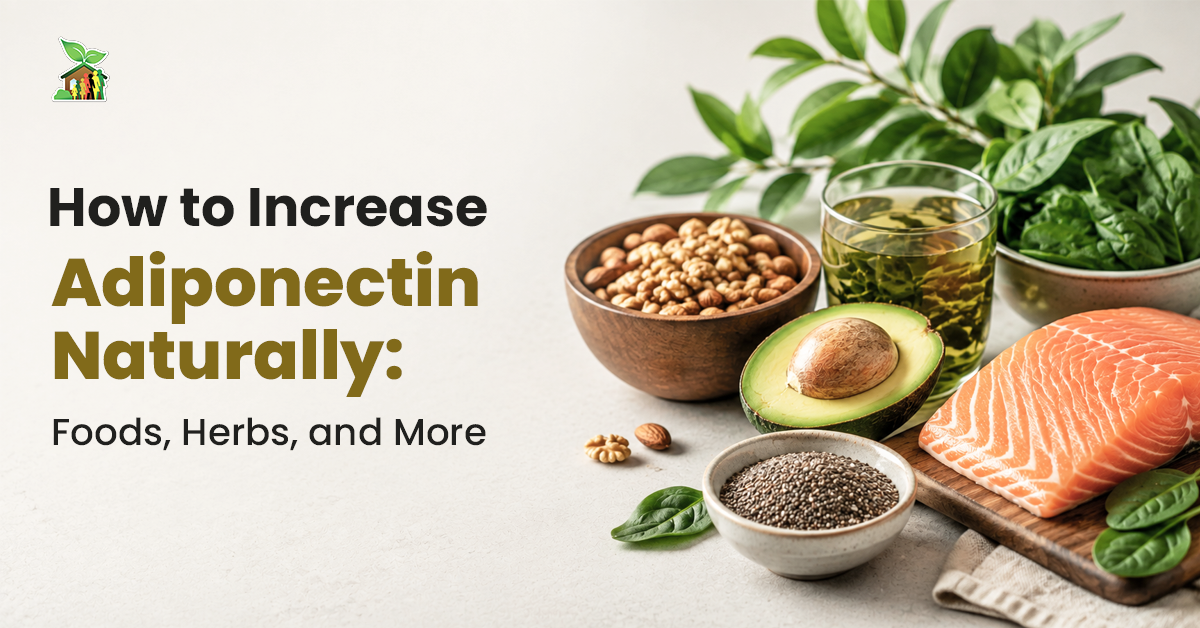
Foods That Increase Adiponectin Naturally
When adiponectin levels are supported, the body may be better equipped to respond to insulin and manage how it uses and stores fat. Supporting healthy adiponectin levels is one part of maintaining good metabolic health, and the good news is that nutrition and everyday lifestyle choices may play a role.
Now for the helpful part, because this is where you have the most control. If you want to increase adiponectin naturally, your food choices, especially anti-angiogenesis foods, are the best place to start.
Think of someone who changes just one thing each week. The first week, the afternoon soda becomes sparkling water with lime. The next, the white toast at breakfast becomes oats with berries and a handful of walnuts. A few weeks in, salmon is on the dinner plate twice instead of the usual fried takeout. None of it feels like a diet, and that is the point. Small swaps like these are exactly what raises adiponectin over time.
The pattern that comes up again and again in the research is a real-food, Mediterranean-style way of eating. A 2021 narrative review in the journal Nutrients, by Janiszewska and colleagues, found that monounsaturated fats, omega-3 fats, fiber, and polyphenols all tend to raise adiponectin, while the typical Western diet of saturated fat, trans fat, sugar, and red meat tends to lower it. A separate review of dietary patterns came to the same place, pointing to Mediterranean, high-fiber, low-glycemic eating as the best for adiponectin.
Here are the foods I would focus on:
Fatty fish and omega-3s. Salmon, sardines, and mackerel are some of the best foods that increase adiponectin. Studies have found that fish and omega-3 intake can raise adiponectin levels by anywhere from 14 to 60 percent. That is a meaningful shift from food alone.
Olive oil, nuts, and avocado. These give you the monounsaturated fats tied to higher adiponectin. A drizzle of good olive oil over your vegetables is one of the easiest upgrades you can make.
Fiber-rich plants. Vegetables, fruit, beans, lentils, and whole grains feed your body and your gut bacteria, and high-fiber eating is consistently linked to better adiponectin.
Colorful, polyphenol-rich foods. Berries, leafy greens, herbs, and even a sensible cup of coffee bring polyphenols that support healthy levels. Coffee, in particular, has been noted in the research as one of the dietary factors that can raise adiponectin.
The other side of this is what to cut back on. Sugar, refined flour, fried foods, and trans fats all lower adiponectin, so reducing them does as much good as adding the foods above.
Herbs That Increase Adiponectin Naturally
This is the part of my work I love most, because plants have so much to offer when we use them with respect. There is a reason I keep coming back to Genesis 1:29, where God gives us the plants of the earth for our use. The herbs that increase adiponectin are a beautiful example of that gift.
Turmeric and Curcumin
Curcumin, the active compound in turmeric, is one of the best-studied plants for this. Research published in Frontiers in Pharmacology in 2019 analyzed 21 randomized controlled trials involving more than 1,600 individuals. The investigators reported that curcumin supplementation raised adiponectin, lowered leptin, and contributed to decreases in body weight and waist measurements. It seems to work in part by reducing the inflammation that suppresses adiponectin in the first place.
This is why I am so fond of our Organic Turmeric Complex. It pairs organic turmeric with black pepper, which helps your body actually absorb the curcumin instead of letting most of it pass right through. A daily dose is a simple way to bring this plant into your routine.
Berberine
Berberine is a plant compound that I find fascinating, because it works through that same AMPK pathway adiponectin uses. A 2011 study in the journal FEBS Letters showed that berberine activates AMPK and helps build the active, high-molecular-weight form of adiponectin, which is the form most closely tied to insulin sensitivity. Broader research on berberine and obesity describes how it helps restore adiponectin while improving insulin sensitivity.
Our Berberine Complex is made with berberine drawn from Oregon grapes and berries. For anyone working on blood sugar and belly fat at the same time, it is one of the most sensible plants to consider as part of a plan to increase adiponectin naturally.

Green Tea
Green tea brings catechins, especially one called EGCG, that have a good track record here. A 2016 review in the journal Molecules describes a trial in people with type 2 diabetes where a catechin-rich green tea raised adiponectin and reduced waist size, and notes that adiponectin is negatively correlated with visceral fat. I will be honest that not every green tea study has shown the same result, but the overall direction is encouraging, and the other benefits of green tea make it an easy choice for most people.
If you would rather not drink several cups a day, our Green Tea Extract gives you a concentrated dose of those catechins in a single capsule.
Essential Oils for Metabolism
I want to be careful and truthful in this section, because essential oils are an area where the excitement sometimes runs ahead of the evidence. When it comes to essential oils for metabolism, most of what we have so far comes from laboratory and animal research rather than large human trials on adiponectin specifically.
That said, the early work is interesting. In a 2024 laboratory study using human fat cells, oregano essential oil helped protect insulin signaling and glucose uptake when those cells were stressed by an unhealthy fatty acid. And in a 2024 study in Frontiers in Veterinary Science, an essential oil blend improved insulin sensitivity in animals with insulin problems. Since adiponectin is so tied to insulin sensitivity and inflammation, oils that support those pathways are a reasonable thing to explore.
So I would say this honestly: essential oils for metabolism, such as ginger, oregano, cinnamon bark, and lavender, may offer gentle support alongside your food and movement, but I would not rely on them as your main approach. Think of them as a helpful addition, not the main effort.
Probiotics and the Gut Connection
Here is something that surprised me when I first read about it. Your gut bacteria appear to affect your adiponectin too. A 2019 review in the journal Microorganisms describes how a strain called Lactobacillus rhamnosus enhanced adiponectin production and helped protect against insulin resistance in animal studies. The human research is still growing, but the link between gut health and metabolism is becoming clearer.
This is part of why I include a good probiotic in so many of my conversations about metabolic health. Our Alive Probiotics supplies over five billion live beneficial microorganisms to help support gut microbial balance. A balanced gut supports the inflammation side of adiponectin, which makes a probiotic a useful part of the plan.

The most encouraging thing about everything we’ve covered is this: raising adiponectin naturally is not about extreme diets or complicated routines. It is about leaning into the foods, herbs, and habits that human beings have known for centuries, whole foods, colorful plants, healthy fats, and gentle movement, while stepping away from the refined, processed foods that drive inflammation and keep adiponectin low.
It is worth remembering that adiponectin is only one piece of the metabolic health puzzle. When you treat your body with kindness and consistency, you create the kind of environment where adiponectin, and you, can thrive. In Part 3, we will go deeper into daily habits and lifestyle choices that also support healthy adiponectin levels.