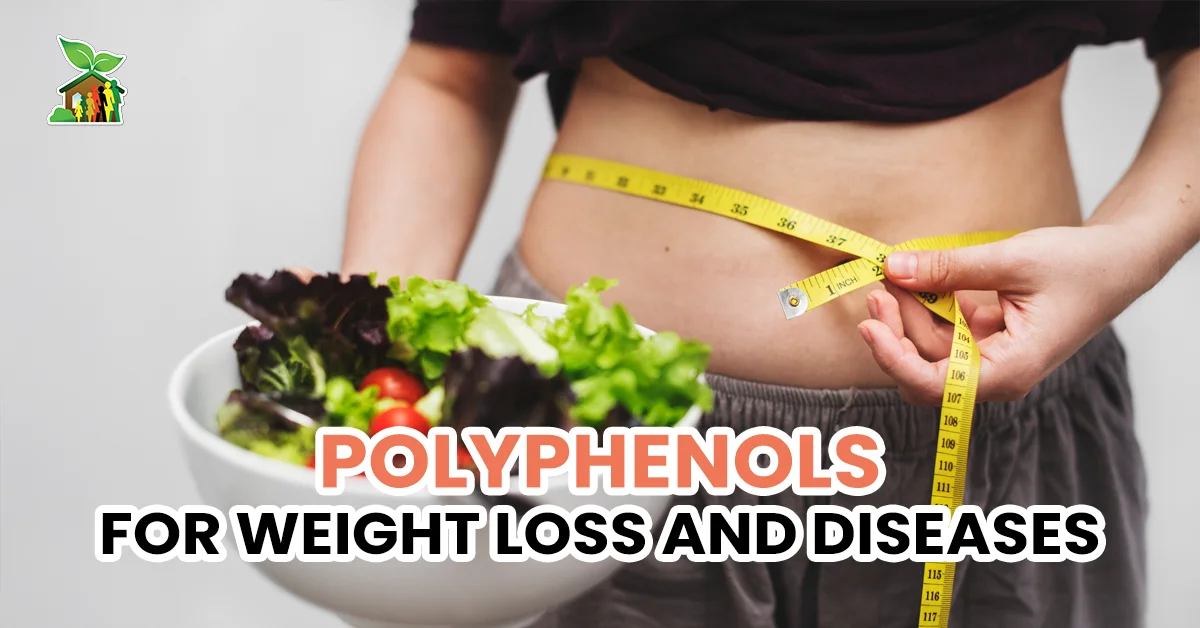
Polyphenols: What They Can Do for Weight Loss and Common Health Issues
You know that feeling when you’re just tired of feeling off?
Like, no matter what you try—eating better, moving more—your body still feels sluggish, inflamed, or just out of sync? I want to share something that helped many other individuals feel more like themselves again.
I’m not talking about quick fixes or fads. I’m talking about something you can actually do; something simple, natural, and backed by research: polyphenols. (Pronounced Polly – fe – nahls) These are little plant compounds tucked away in everyday foods, such as berries, dark chocolate, and green tea, and they’ve been shown to help support things like digestion, weight balance, inflammation, and even hormone health.
So if you’re working on your health, trying to feel lighter, clearer, or just more like yourself again, let’s walk through the basics of polyphenols together. I’ll explain what they are, where to find them, and how they might help you gently shift toward feeling better from the inside out.
What Are Polyphenols?
Polyphenols are naturally occurring compounds found in plants. They help protect plants from damage caused by UV light, pests, and disease. (UV light is the bad part of sun exposure.)
There are more than 8,000 types of polyphenols, and each has a slightly different effect in the body. In general, they act as antioxidants, which means they help protect cells from oxidative stress.
But that’s not all. Polyphenols may also help support:
- Gut health / a happy gut biome
- Blood sugar control
- Healthy fat metabolism
- Hormone regulation
- Immune function
According to a 2021 review published in Antioxidants (NCBI), polyphenols interact with gut microbiota and may help regulate energy metabolism, which makes them a potential tool in managing weight and other chronic conditions.
Types of Polyphenols (and Why They Matter)
When I first started learning about polyphenols, I thought they were just one simple thing. But it turns out, they’re not all the same.
Polyphenols are grouped into a few main categories, and each one has its own little “personality,” if you will. Some are great for gut support, others help with hormone balance or inflammation.
Let me walk you through the basics:
Flavonoids
You can get this from as simple as a handful of frozen berries in your breakfast or a cup of green tea in the afternoon. Studies from the Nutrients Journal have looked at flavonoids and how they might help with metabolic balance, which is why they’re often linked to weight and heart health, too.
But heads-up: flavonoids are sensitive to heat, so cooking your veggies too long can reduce their power. Try to eat some things raw or lightly steamed.
Phenolic Acids
These show up in things like coffee, whole grains, and berries. In fact, you won’t even realize you’ve been getting a daily dose just by drinking your morning cup of coffee. Phenolic acids have been studied for their potential role in gut health, blood sugar balance, and heart function—all things that connect closely to how we manage weight and energy over time. Of course we are talking about black coffee. Once you add sugar and cream you mess with the positive effects.
What makes these different is that they seem to focus more on internal repair. Think of them as quiet background helpers, working with your microbiome and reducing some of the wear and tear our bodies take daily.
Polyphenolic Amides
These are found in chili peppers and oats, and researchers are still learning about them. One interesting thing about these compounds is how they might interact with inflammation pathways and even support fat metabolism, though studies are still early.
If spicy food isn’t your thing, oats are a great option. You can try them with cinnamon and flax / chia for breakfast (extra polyphenol points!).
Lignans
If you’re someone who’s been dealing with hormone imbalance, whether it’s PMS, perimenopause, or just not feeling quite right, lignans are worth knowing about. They’re found in flaxseeds, sesame seeds, and grains.
Studies from the Breast Cancer Research and Treatment Journal have even explored their potential effects on breast and prostate wellness, which really shows how powerful food can be.
One thing to note: lignans need healthy gut bacteria to be properly converted and used, so pairing them with probiotics or fermented foods can make them work better. Foods like yogurt, tofu, kimchi, sauerkraut and kefir are a great way to add them to your diet. Add fermented foods to your salads and you’ll barely taste them. Add some kefir or yogurt to your smoothies.
As a matter of fact it is a simple way to include berries and add some steeped green tea instead of water – also polyphenols. Homemade yogurt is best and actually very easy to make.
Happy Gut – High Polyphenol Smoothie Recipe:
1 cup mixed organic frozen berries like blackberries, raspberries, blueberries and strawberries (blackberries and raspberries are the berries highest in antioxidants)
1/2 cup kefir or yogurt
2 cups cooled green tea or use 1 tsp matcha powder
1 tablespoon flaxseed / chia
Blend for a delicious, nutritious breakfast.
Option: Throw in some for more polyphenols and your favorite protein powder.
Stilbenes
The most famous one in this group is resveratrol, found in red wine, grapes, and a few berries. You’ve probably heard it mentioned in heart health studies, and it’s also being looked at for insulin sensitivity and metabolic support.
If you’re not someone who drinks a lot of wine, you can still get enough by snacking on grapes or blueberries for a little resveratrol boost – the darker the better.
Where to Get Polyphenols
You don’t need to totally flip your life upside down to start adding polyphenols to your day. Honestly, once you realize how many of these foods you were already eating, it’ll feel less like a chore.
These are some of the simplest, everyday foods you can turn to and include in each of your meals and snacks each day. You probably already have a few in your kitchen right now:
- Berries: Blueberries, raspberries, blackberries, pomegranate, acai etc. You can grab a handful with breakfast or toss them into a smoothie. Frozen works just as well. Try a frozen berry mix to add each of these into your life.
- Dark-colored fruits: Like black grapes, cherries, and plums. You can try to keep some in the fridge for snacking instead of reaching for processed sweets.
- Vegetables: Especially spinach, red onions, and broccoli. Try to roast them or toss them into soups when you’re short on time.
- Dark chocolate: Yep, good news here. A square of real, high-cocoa dark chocolate can give you a polyphenol boost and feel like a treat.
- Herbs and spices: You can add cinnamon, turmeric, or even cloves to oatmeal or tea. It’s an easy way to sneak in some goodness without changing your whole routine.
- Green or black tea: A calming cup in the afternoon works best. Bonus: it’ll help you curb that 3pm snack craving.
- Coffee: If you’re a coffee drinker, you’re already getting some polyphenols in! Just try not to drown it in sugar.
- Nuts and seeds: Almonds, walnuts, pecans, flaxseeds etc—simple to add to yogurt or sprinkle on salads.
- Whole grains: Oats, rye, barley… these show up in things like oatmeal, sourdough, or hearty bread. Nothing fancy.
- Extra virgin olive oil: You can use this instead of other oils whenever you can. Great for cooking and full of polyphenols.
What Diseases or Health Conditions Can Polyphenols Help Manage?
Many studies suggest that polyphenols may support the body in dealing with common, frustrating health conditions. Here’s how:
- Metabolic disorders: Polyphenols may help with blood sugar regulation and insulin sensitivity. A 2019 review in Nutrients found that polyphenols from green tea and berries may help improve markers of metabolic syndrome.
- Cardiovascular health: Flavonoids may help maintain normal blood pressure and cholesterol levels.
- Gut health: Polyphenols interact with gut bacteria and may encourage a healthier microbiome, which is closely tied to digestion, immune health, and mood.
- Liver function: Some polyphenols (like those from green tea and turmeric) may help the liver handle oxidative stress, according to a study in Oxidative Medicine and Cellular Longevity.
- Hormone balance: Lignans, in particular, may help modulate estrogen activity and support the endocrine system.
Can Polyphenols Help with Weight Loss?
You’ve probably tried different things to feel better in your own skin—cutting back on sugar, adding more veggies, maybe even doing that workout you don’t love. And still, sometimes the scale doesn’t budge, or your clothes feel just a little too snug. I know how frustrating that can be.
Here’s what I learned:
Appetite feels more stable
If you’re used to getting random cravings out of nowhere, especially late at night, then you should try green tea or berries. Turns out, some polyphenols can influence appetite hormones, making you feel full sooner, or at least not ravenous for snacks all day.
They support fat metabolism
Some studies show that certain polyphenols—especially from things like green tea—may help the body use fat for energy. That doesn’t mean you’ll burn fat just by eating blueberries, but when you pair those kinds of foods with movement and better sleep, it might just help things click into place.
Better blood sugar = fewer cravings
Stabilizing blood sugar was a game-changer. Once you stop riding the highs and crashes from sugary snacks or skipping meals, you’ll have more energy and fewer junk food cravings. Polyphenols like those in cinnamon, apples, and flaxseeds may support insulin sensitivity, and that can make a big difference in how your body stores or burns fat.
They feed your gut
Polyphenols act a bit like food for the good bacteria in your gut. When your microbiome is more balanced, it may help with digestion, inflammation, and how efficiently your body burns or stores fat.
One study from Frontiers in Nutrition (2022) even found that people who regularly consumed polyphenol-rich foods saw improvements in body weight and waist size over time, especially when they stuck with it.
Final Thoughts: How Can You Make the Most of Polyphenols?
You don’t need to chase every superfood trend. Just start where you are.
Focus on real food, especially fruits, vegetables, herbs, and teas.
If you’ve been struggling with sluggish energy, stubborn weight, or hormonal ups and downs, polyphenols might be one more piece of the puzzle.
Small changes really do make a difference. And if you’re already using natural products to support liver and hormone health, adding more polyphenol-rich foods might give your body the extra help it’s been asking for.
Are you looking for gentle, natural support for your metabolism, liver, and hormones?
Explore Whole Family Products’ herbal and transdermal supplements that work with your body, not against it.
If you have concerns about medications or possible interactions with supplements, it’s always a good idea to check with your holistic provider.