Natural Ways to Increase Adiponectin Through Daily Habits
Food and herbs do a lot, but your daily habits do just as much. Many of the most effective ways to support healthy adiponectin levels cost nothing at all. Since these habits reinforce one another, improving one area often benefits the rest.
Here are the habits I would focus on:
• Move your body, especially aerobic movement
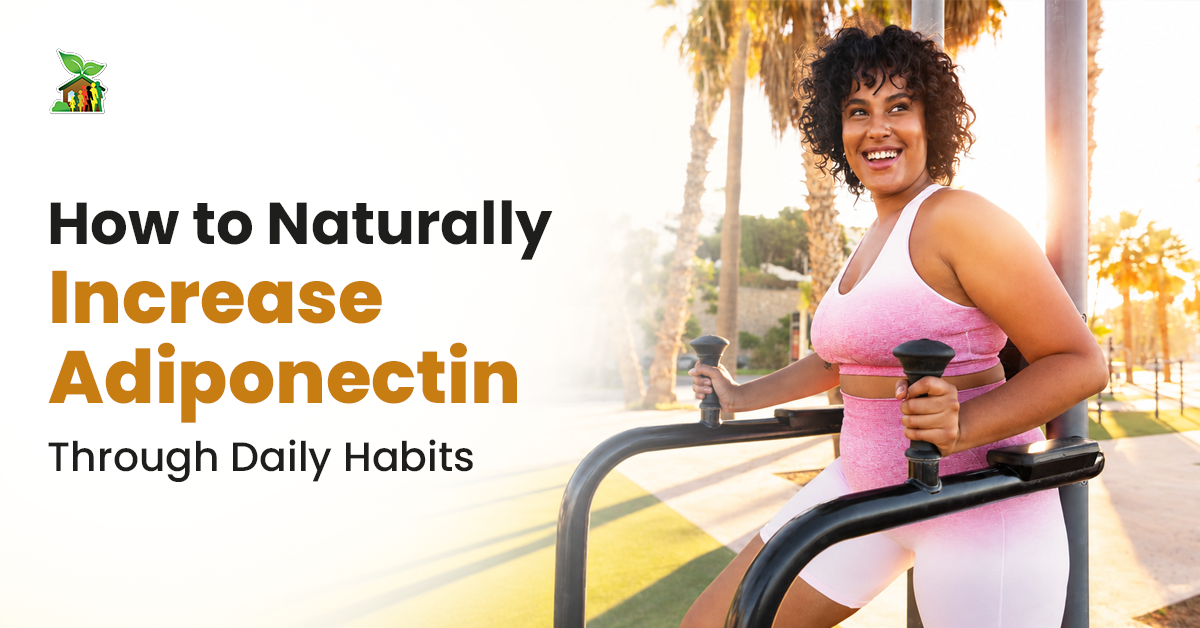
A 2018 meta-analysis in the journal Medical Sciences found that exercise increased adiponectin and lowered leptin, with aerobic activity showing the clearest benefit. You do not need to punish yourself. Brisk walking, swimming, cycling, or dancing done most days of the week is enough to start making a difference. If you are new to it, begin with ten or fifteen minutes and build from there. Consistency matters far more than intensity.
• Add some strength work too
Aerobic movement leads the way for adiponectin, but building muscle helps the bigger picture. More muscle gives your body more places to store and use blood sugar, which eases the insulin resistance that often comes with low adiponectin. Two short sessions a week with resistance bands, light weights, or your own body weight is a solid start.
• Lose excess fat slowly and steadily
Because adiponectin and belly fat move in opposite directions, losing fat is one of the most reliable ways to raise it. Research shows that adiponectin falls with weight gain and rises with weight loss. Even a modest reduction in waist size can help. You do not need a dramatic transformation. A slow, steady loss is easier to keep, and it is the deep belly fat in particular that pushes adiponectin down.
• Protect your sleep
Poor sleep raises inflammation, and inflammation suppresses adiponectin. Try to keep a consistent sleep schedule, make your bedroom cool and dark, and limit screen use during the hour before bedtime. Learn more about how magnesium may help with sleep. Protecting your sleep is not lazy. It is an important part of your metabolic health, and it makes every other habit on this list easier to keep.

• Lower your stress where you can
Constant stress keeps your body in a state that works against adiponectin. You cannot control every challenge, but you can choose simple practices that help calm your mind and body. A short walk, prayer, deep breathing, time outside, or a few quiet minutes with no phone all help settle the system that influences this hormone. Explore the connection between DIM, cortisol, and stress hormones.
• Ease up on alcohol and quit smoking
Both habits add to inflammation and make it harder for your body to keep adiponectin where you want it. If you drink, keep it light and occasional. If you smoke, reducing or stopping is one of the most supportive choices you can make for your metabolic health.
• Fasting has mixed evidence.
This is one of the most common questions, and the honest answer is that the evidence is mixed. Steady caloric reduction and weight loss clearly help, but a 2024 systematic review and meta-analysis found that intermittent fasting added to exercise did not change adiponectin more than exercise alone. So if intermittent fasting helps you eat well and lose excess fat, it can support the goal indirectly. I would not promise it as a guaranteed way to raise adiponectin on its own.
What Is the Difference Between Adiponectin and Leptin?
Since I keep mentioning leptin, let me clear this up, because they are often confused. Both are hormones from your fat tissue, but they work in opposite ways. Leptin generally rises as you carry more fat and is meant to signal fullness, though in many people that signal stops working well, a state called leptin resistance. Adiponectin does the reverse, falling as fat increases and helping your body stay sensitive to insulin.
The healthiest pattern is higher adiponectin and lower, well-functioning leptin. The Medical Sciences meta-analysis found a similar outcome, showing that exercise increased adiponectin while reducing leptin. So when you work to increase adiponectin naturally, you are usually improving the whole balance, not just one number.
Frequently Asked Questions
1. Can adiponectin levels be tested?
Yes. Adiponectin can be measured with a simple blood test. It is not part of a standard panel, so you may need to ask for it specifically. If your numbers come back low, the food, herb, and lifestyle steps above are the natural ways to increase adiponectin that you can begin right away.
2. Can low adiponectin increase the risk of type 2 diabetes?
Studies have associated lower adiponectin levels with an increased risk of insulin resistance and type 2 diabetes because this hormone helps regulate blood sugar, inflammation, and body fat. Raising it supports the very systems that keep blood sugar steady.
3. Does losing weight really increase adiponectin levels?
Research suggests that losing excess body fat can help increase adiponectin levels. Studies consistently show adiponectin climbing as people lose excess fat, particularly the deep belly fat that suppresses it.
4. Which Foods Should You Limit If You Have Low Adiponectin?
Ease back on sugar, refined flour, fried foods, trans fats, and large amounts of red meat. These are the Western-diet ingredients shown to lower adiponectin. Replacing them with fish, olive oil, vegetables, and fiber does double duty.
5. What supplements may help support healthy adiponectin levels?
Curcumin, berberine, green tea catechins, omega-3s, and a quality probiotic all have research behind them, as covered above. They work best as part of a real-food, active lifestyle, not as a replacement for one.
Start Where You Are Today
There is one simple point I come back to time and again. You can take it one step at a time instead of trying to change everything at once. Pick one fish dinner this week. Add a daily walk. Bring in one supportive plant, and let it become a habit before you add the next. Small, steady choices are how you increase adiponectin naturally, and they are choices you can actually keep.
I love that this comes down to ordinary, good things. Real food, movement, rest, and a few plants that have been with us since the beginning. If you feel you could benefit from additional support, our Berberine Complex, Organic Turmeric Complex, Green Tea Extract, and Alive Probiotics offer different options to complement your routine. Select the one that best matches your current goals.
If you have any concerns about how these may interact with medications you are currently taking, please check with your holistic provider before starting something new.