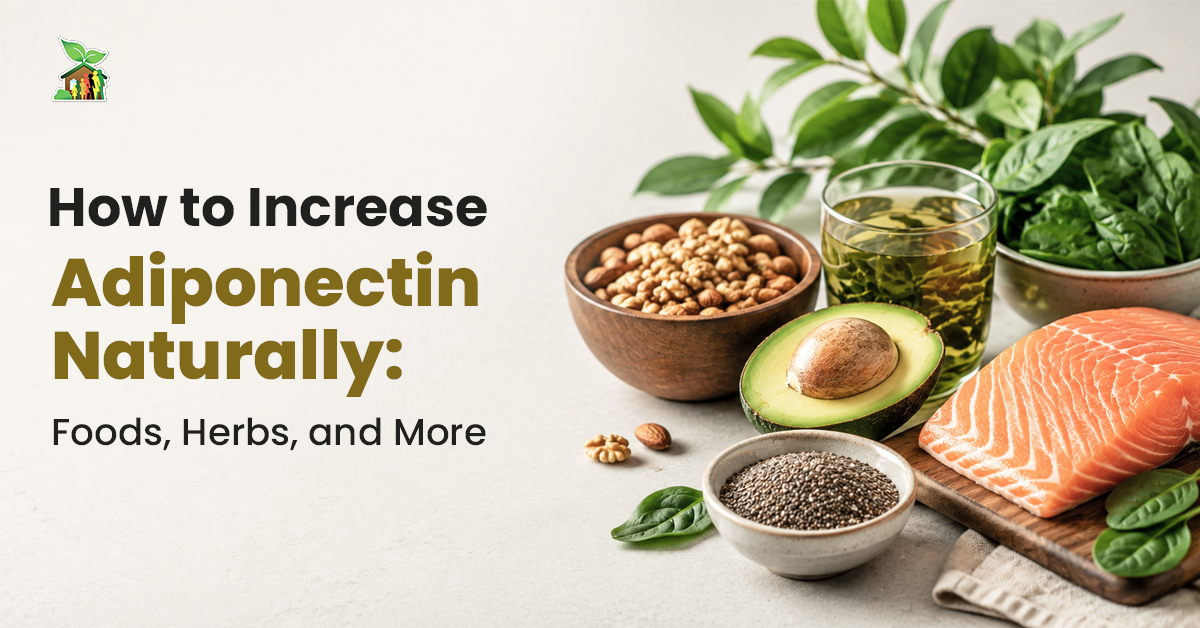
Anti-angiogenesis Foods for Weight Loss and Diseases
Uncontrolled cell growth in the body doesn’t just show up in one way. Sometimes, it hides in plain sight through something called angiogenesis.
Anti-angiogenesis may be a way to help the body manage unwanted blood vessel growth that feeds harmful cells or contributes to fat buildup.
New studies suggest some foods may play a role in slowing or stopping this process.
What is Angiogenesis?
Angiogenesis is the natural process of new blood vessels forming in the body. It’s how wounds heal and how the body adapts to changes.
But when this process becomes overactive or misdirected, it can contribute to health issues.
According to research from the National Cancer Institute, abnormal angiogenesis has been linked to the growth of unhealthy cells and may even fuel fat tissue growth in obesity.
How Angiogenesis Contributes to Disease and Weight Gain
When angiogenesis is out of balance, it can be a hidden driver of disease and weight gain. Here’s how:
- Unwanted Cell Growth: Harmful cells often hijack the body’s blood vessel system, pulling in nutrients to feed themselves.
- Fat Storage: Blood vessel growth in fat tissue can help fat cells expand. In one study published in Nature Reviews Molecular Cell Biology, researchers found that limiting blood flow to fat tissue helped shrink fat deposits in mice.
- Liver Stress: Unregulated vessel growth in the liver may contribute to inflammation and hormonal imbalance, affecting weight and energy.
This doesn’t mean the body should stop building blood vessels. But it does mean that slowing abnormal angiogenesis could make a difference.
Anti-Angiogenic Foods: What the Research Says
Scientists have found that some natural compounds in food may work as angiogenesis inhibitors, substances that help the body regulate or reduce the formation of new blood vessels.
This can be especially beneficial in slowing the progression of diseases like cancer, obesity, and even diabetic complications.
- Green Tea: Rich in catechins, especially epigallocatechin gallate (EGCG), green tea has shown promising anti-angiogenic activity in several studies. Research published in Cancer Letters found that EGCG suppresses vascular endothelial growth factor (VEGF), a key signal protein in blood vessel formation.
- Berries: Blueberries, raspberries, and strawberries are rich in ellagic acid and anthocyanins. A 2021 review in Antioxidants concluded that these compounds have the potential to inhibit angiogenesis and inflammation, offering protective effects against chronic diseases.
- Tomatoes: Lycopene, the compound responsible for the red color in tomatoes, has been studied for its ability to interfere with abnormal angiogenic signaling. A meta-analysis in Nutrients highlighted that lycopene not only has antioxidant properties but may reduce pro-angiogenic factors in both cancer and metabolic conditions.
- Turmeric: The curcumin in turmeric has drawn significant attention for its ability to block several pathways involved in angiogenesis. A study in Biomedicine & Pharmacotherapy emphasized curcumin’s ability to reduce VEGF expression and inhibit the growth of new vessels in various disease models.
- Mushrooms: Particularly shiitake and maitake mushrooms contain beta-glucans and other polysaccharides known to enhance immune function and potentially inhibit abnormal blood vessel growth. A 2022 review in Frontiers in Pharmacology pointed out that bioactive compounds in mushrooms could help regulate angiogenesis in inflammatory diseases and tumor progression.
Anti-Angiogenic Compounds: An Overview
Here’s a breakdown of what’s behind the power of these anti-angiogenic foods:
- Polyphenols: Found in green tea, dark chocolate, and berries. These antioxidants may help regulate blood vessel signals.
- Carotenoids: Lycopene in tomatoes and beta-carotene in carrots fall under this category. They may support the body’s natural balance. Note: Vitamin A supplements are not the same as actually eating or juicing foods rich in beta-carotene for the sake of anti-angiogenesis.
- Flavonoids: Present in apples, onions, and leafy greens. Some research suggests they help reduce oxidative stress and vessel overgrowth. In one analysis published in Cancer and Metastasis Reviews, researchers explored how plant-based diets rich in flavonoids might help the body manage abnormal angiogenesis, possibly impacting conditions from obesity to chronic inflammation.
The Liver, Hormones, and Vessel Health
Poor vessel regulation can put stress on the liver. When the liver is overloaded, it may struggle to filter hormones properly. It can lead to hormonal swings, fatigue, and stubborn weight gain.
Certain anti-angiogenic foods, like cruciferous vegetables (broccoli, cauliflower) and leafy greens, are also known for supporting liver function. They help the liver break down toxins and excess hormones more efficiently.
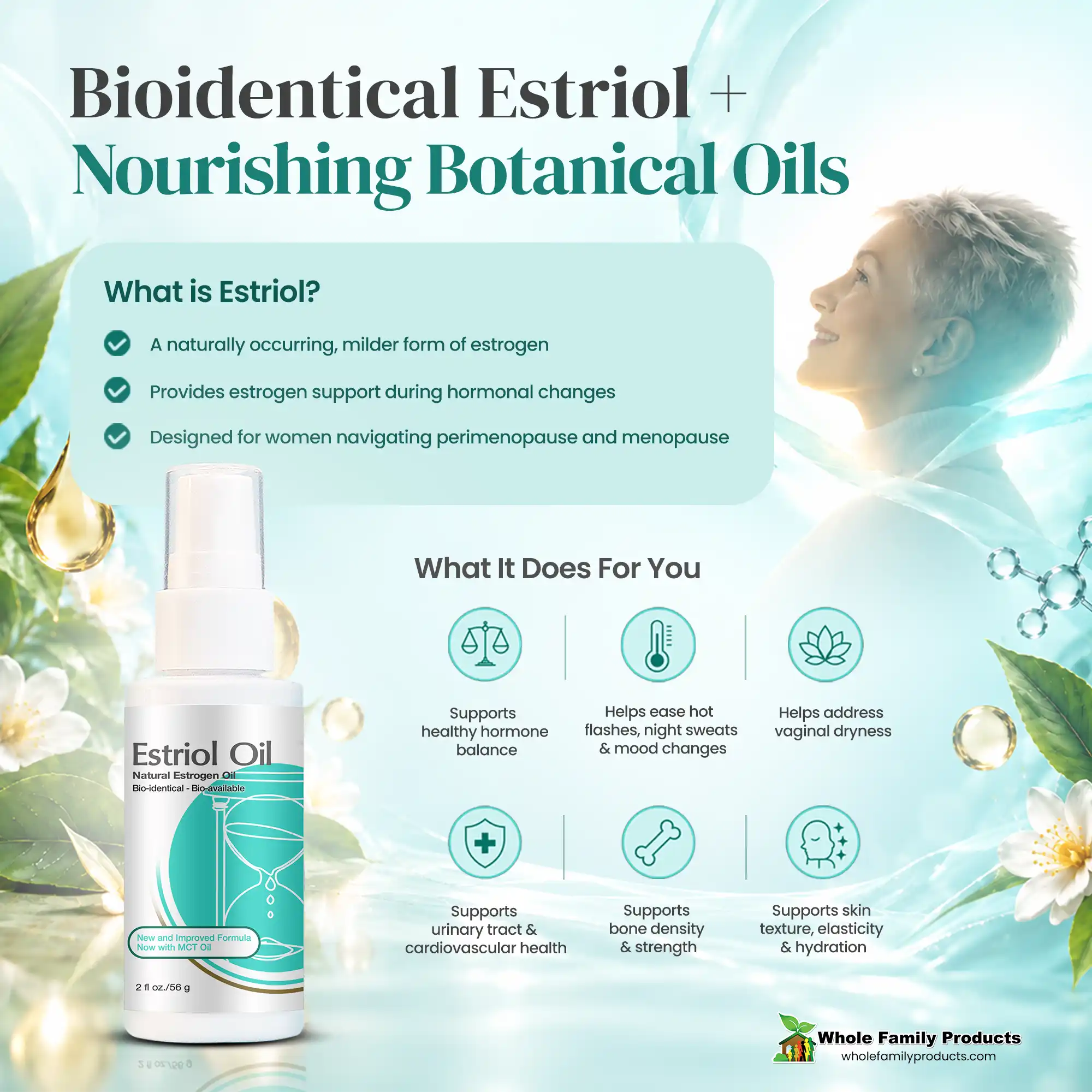
Whole Family Products offers natural support tools that align with these findings. While not a replacement for lifestyle changes, supplements like Estriol Oil, Natural Estrogen Cream, Fatty Liver Complex and Candida Cleanse are designed with hormone balance and gentle detox in mind.
Diet Options That Support Anti-Angiogenesis
Supporting anti-angiogenesis through diet doesn’t require a complicated meal plan. Here are a few easy-to-follow options based on current nutritional science:
- Mediterranean Diet: Emphasizes fresh fruits, vegetables, whole grains, legumes, healthy fats (like olive oil), and lean proteins like fish. A 2023 study in Nutrients found that adherence to the Mediterranean diet was linked to reduced angiogenic markers and inflammation.
- Plant-Forward Diet: Focusing on plants over processed foods naturally boosts your intake of flavonoids and polyphenols. The American Journal of Clinical Nutrition has published several studies showing that plant-rich diets may lower angiogenesis-related risks.
- Anti-Inflammatory Diet: Incorporating foods like turmeric, ginger, green tea, berries, and fatty fish (like salmon) has been shown to modulate inflammatory and angiogenic pathways. Research in Frontiers in Nutrition underscores how anti-inflammatory nutrients can regulate abnormal blood vessel formation and improve metabolic function.
- Low-Glycemic Diet: Limiting refined sugars and high-glycemic carbs can support hormone balance and reduce the inflammatory triggers of abnormal angiogenesis, especially in people managing insulin resistance or Polycystic Ovarian Syndrome (PCOS).
Everyday Ways to Add These Foods
You don’t need to overhaul your kitchen overnight. Start with small steps:
- Sip on 1–2 cups of green tea a day.
- Add a handful of berries to your breakfast.
- Use fresh tomatoes or tomato paste in sauces.
- Sprinkle turmeric into soups or smoothies.
- Toss mushrooms into stir-fries or omelets.
Listen to What Your Body Needs
Anti-angiogenesis isn’t a buzzword, it’s a natural process worth understanding. And while more research is always welcome, what we already know is exciting. Choosing foods that naturally contain angiogenesis inhibitors may help support weight goals and liver health without depending on aggressive interventions.
If you’re already taking medications or have concerns about supplements, speak to your holistic provider about how they might interact.
Whole Family Products is here to help you make informed, natural choices that feel right for your body, gently, steadily, and one day at a time.