Sleep and Healthy Aging: How Sleep Affects Your Health as You Age
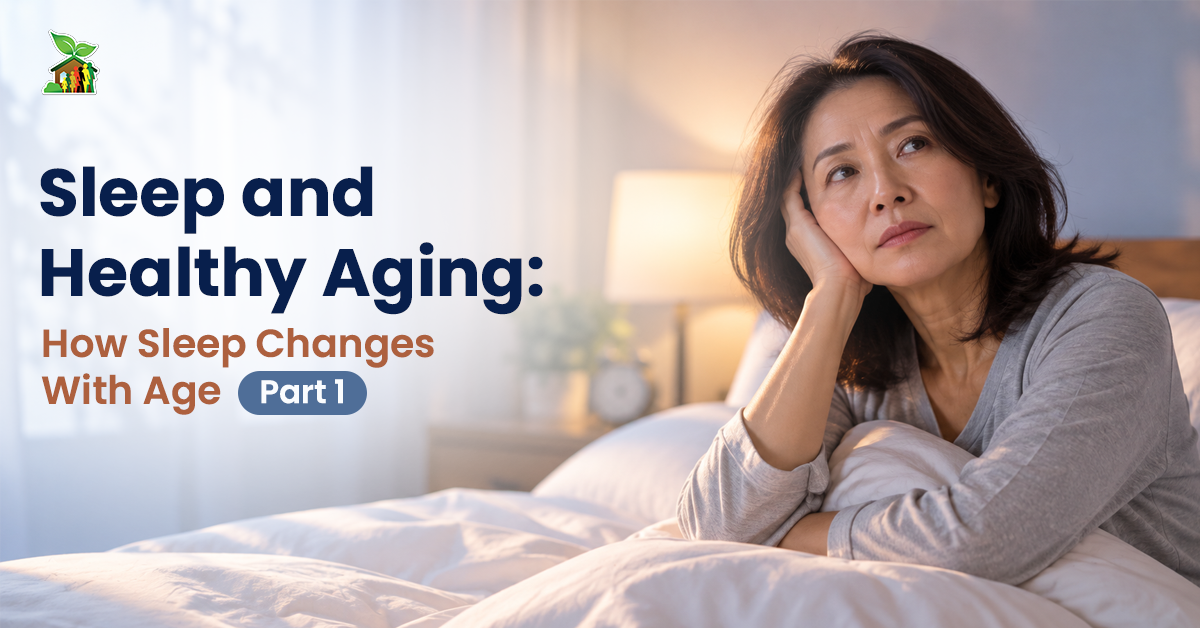
Sleep plays an important role in how you feel and function as you get older. While changes in sleep are a normal part of aging, the quality and amount of sleep you get can also influence many aspects of your health and daily life.
Getting enough restful sleep gives your body and mind time to recharge and supports the processes that help you stay healthy as you age. When sleep becomes a regular struggle, it can affect more than how rested you feel the next morning. It may also influence your energy, appetite, mood, and daily functioning.
In this article, we’ll look at some of the ways poor sleep may affect your health, including its connection with weight gain. We’ll also explore natural ways to support better sleep as you get older and answer a few common questions about sleep and healthy aging.
Can Poor Sleep Contribute to Weight Gain?
It really can, and this is something I wish more people understood. Sleep and healthy aging are closely tied to metabolism, and that connection becomes more noticeable as the years go on.
A review on sleep and obesity explained that abnormalities in sleep, both in quantity and quality, negatively affect the body’s energy metabolism (PMC, National Library of Medicine).
Another large analysis pooling data across studies found that a reduction of just one hour of sleep per day was associated with a measurable increase in body mass index across the population studied (PMC, National Library of Medicine).
So when someone notices weight creeping on around the same time their sleep started falling apart, that connection is very real. It is not about willpower. It is about hormones, metabolism, and the quality of rest your body is actually getting each night.
What Are Some Natural Ways to Improve Sleep as You Get Older?
This is where natural support can make a real difference.
The National Institute on Aging recommends a few simple daily habits that make a real difference for sleep and healthy aging. These include avoiding naps in the late afternoon or evening, avoiding caffeine later in the day, limiting alcohol, keeping screens out of the bedroom, and avoiding large meals close to bedtime (National Institute on Aging).
Getting natural light early in the day and keeping a consistent bedtime also help keep your circadian rhythm properly calibrated, which supports both sleep quality and the deeper goal of healthy aging over time.
Alongside these habits, I want to share a few of our natural products that were formulated with exactly these age related sleep changes in mind.
For general, gentle sleep support, our Advanced Sleep Formula is worth a look. It blends magnesium with L-theanine, GABA, 5-HTP, and a touch of melatonin in one capsule. Studies show it may help with sleep onset, since a systematic review on magnesium and older adults with insomnia found that magnesium supplementation reduced sleep onset latency by over seventeen minutes compared to placebo (PMC, National Library of Medicine).

If capsules are not your preference, our Melatonin Sleep Lotion delivers melatonin transdermally, right through the skin, which some people find gentler than taking a capsule.
For women moving through perimenopause or menopause, our Meno-Lady Progesterone Cream is formulated with natural progesterone from wild yam to help support the hormone balance that so often gets disrupted right when sleep starts falling apart. You can read more here: Meno-Lady Progesterone Cream.
And for the men in your life dealing with the testosterone decline of andropause, our Andropause Cream is designed to support natural hormone balance as part of an overall approach to healthy aging and better sleep. Here is the link: Andropause Cream.

None of these are meant to replace good sleep habits. Keep your room cool and dark, keep a consistent bedtime, and get some natural morning light. These natural products are meant to work alongside those habits, supporting your body’s own rhythms rather than overriding them.
A Few Common Questions About Sleep and Healthy Aging
How many hours of sleep do older adults need?
Most older adults still need around seven to nine hours a night, the same general range recommended for younger adults. The difference is usually not how much sleep is needed. It is how that sleep gets distributed across the night and how easily it gets interrupted.
When should sleep problems be evaluated by a healthcare provider?
If poor sleep lasts for weeks, affects your daily life, or is paired with loud snoring, gasping, or long pauses in breathing, it is worth having evaluated. If you have any concerns about how any of these natural approaches may interact with medications you are currently taking, please check with your holistic provider.
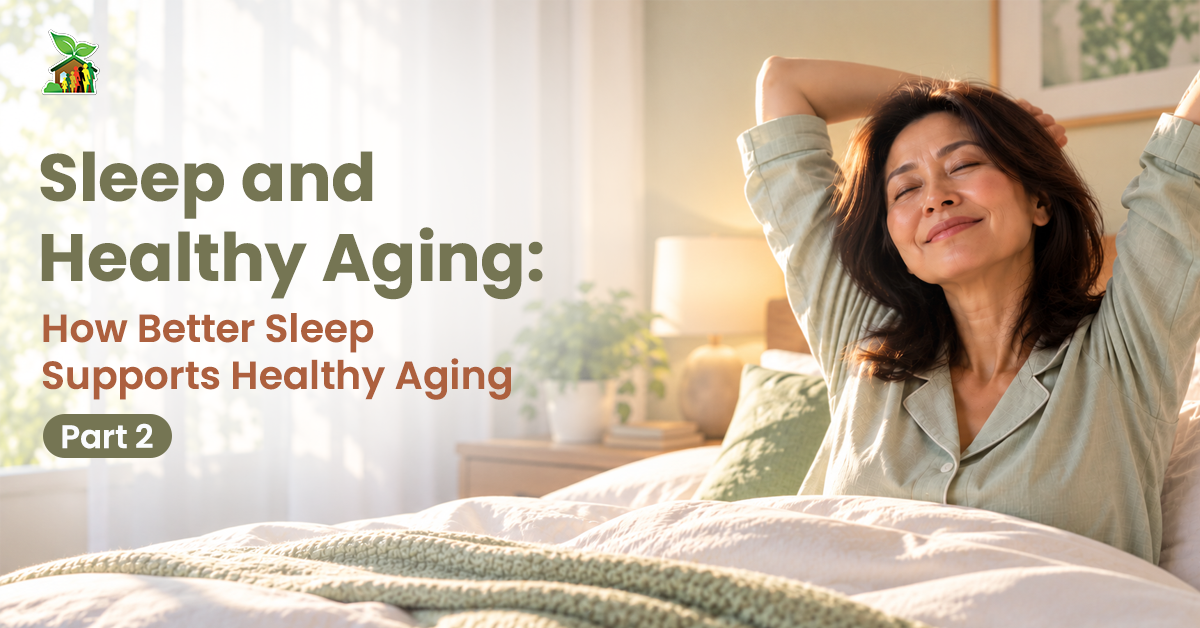
Can better sleep support healthy aging?
Yes. Better sleep supports memory, mood, hormone balance, and a healthier weight over time. It is one of the most overlooked pieces of healthy aging, and one of the easiest places to start making small, natural changes. If menopause-related mood changes are affecting your sleep, learn more about the emotional symptoms of menopause.

Does sleep quality matter as much as sleep quantity?
It matters just as much, if not more. Two people can spend the same eight hours in bed and wake up feeling completely different, depending on how much time was actually spent in deep, restorative sleep versus lighter stages.
Natural ingredients like magnesium, melatonin, and bio-identical progesterone have research behind their role in supporting sleep, especially when age related hormone changes are part of the picture. They work best alongside consistent sleep habits, not as a replacement for them.
Ease Into Better Sleep, Naturally
So many people think their changing sleep means something has gone wrong with their body. In most cases, it simply means the body is aging the way bodies naturally do. Genesis 1:29 reminds us that we were given everything we need for our wellbeing right here in nature, and I believe that includes gentle, natural support for the hormone shifts and sleep changes that come with getting older.
If any of this sounds familiar, take a look at our natural sleep and hormone support options, and reach out if you have questions. I read every message. You can visit our shop here.