The Role of Progesterone and Aromatase Inhibitors in Fibroid Management
You know that feeling when something’s off in your body, but no one seems to really listen?
Maybe your periods are heavier than usual. Maybe the bloating and cramping don’t feel normal anymore.
You’ve heard the word fibroids tossed around, but you’re not sure what to do next, and the idea of surgery makes your stomach drop.
A good first step is understanding what’s going on beneath the surface.
Hormones play a central role in fibroid development especially progesterone and an enzyme called aromatase, which can increase estrogen production in the body.
When you start to see how these hormones interact with fibroids, your next steps become clearer. And from there, you can make more informed decisions about how to support your body in a way that actually makes sense for you.
What Are Fibroids?
Fibroids are non-cancerous growths that show up in or around the uterus.
Some women have no symptoms. Others deal with painful cramps, heavy bleeding, back aches, and even fertility issues. What makes fibroids tricky is how deeply they’re tied to hormones, particularly progesterone and estrogen.
But it’s not just about the hormones themselves. It’s about how your body makes and processes them. That’s where things like the aromatase enzyme come into the picture.
What Does Progesterone Have to Do With It?
You might be surprised to hear this, but according to the Journal of Clinical Medicine, too much progesterone can actually make fibroids worse. I know, it sounds backward because we often think of progesterone as the “calming” hormone.
And it is—in balance.
But when your body is already estrogen dominant, adding more progesterone, especially the wrong kind or at the wrong time, might actually feed the fibroids.
A study from the National Library of Medicine suggests that progesterone can stimulate growth in fibroid cells. That’s why understanding your hormone levels before jumping into treatment is so important. It’s also helpful to be aware of the symptoms of excess progesterone and the steps you can take to address them.
What Are Aromatase Inhibitors and Why Should You Care?
Your body makes estrogen in more than just your ovaries.
The aromatase enzyme helps convert other hormones into estrogen, and guess what? Fibroids have been shown to contain high levels of this enzyme.
That means fibroids can kind of “feed themselves,” making estrogen right in the uterus. This is one reason some researchers and natural health advocates suggest looking into aromatase inhibitors.
These work by slowing down that conversion process, which may help shrink fibroids over time.
A study from the Cochrane Database of Systematic Reviews shows that women using letrozole, a third-generation aromatase inhibitor, saw their fibroid volume shrink by nearly 45%. That’s pretty eye-opening.
Let’s Talk Natural Approaches: Diet, Supplements, and Creams
You don’t have to go straight to pharmaceuticals or surgery. There are gentler, more natural options that might make a real difference.
Diet
- Start with food. What you eat can either support or sabotage your hormone balance.
- Eat more cruciferous veggies (like broccoli, kale, cauliflower)
- Add fiber to help flush out excess estrogen
- Avoid too much red meat and processed food, which can disrupt your hormones especially through the animal’s own hormones as well as chemical hormones that are added.
- Stay hydrated and cut back on sugar—yes, even the hidden sugars in drinks and sauces
Supplements
Here are some natural options that people often find helpful:
- Vitamin D: Studies have found a link between low Vitamin D and a higher risk of fibroids.
- Green Tea Extract (EGCG): Research shows it may reduce fibroid size and ease symptoms.
- Curcumin (from turmeric): Anti-inflammatory and shown in some research to slow fibroid growth.
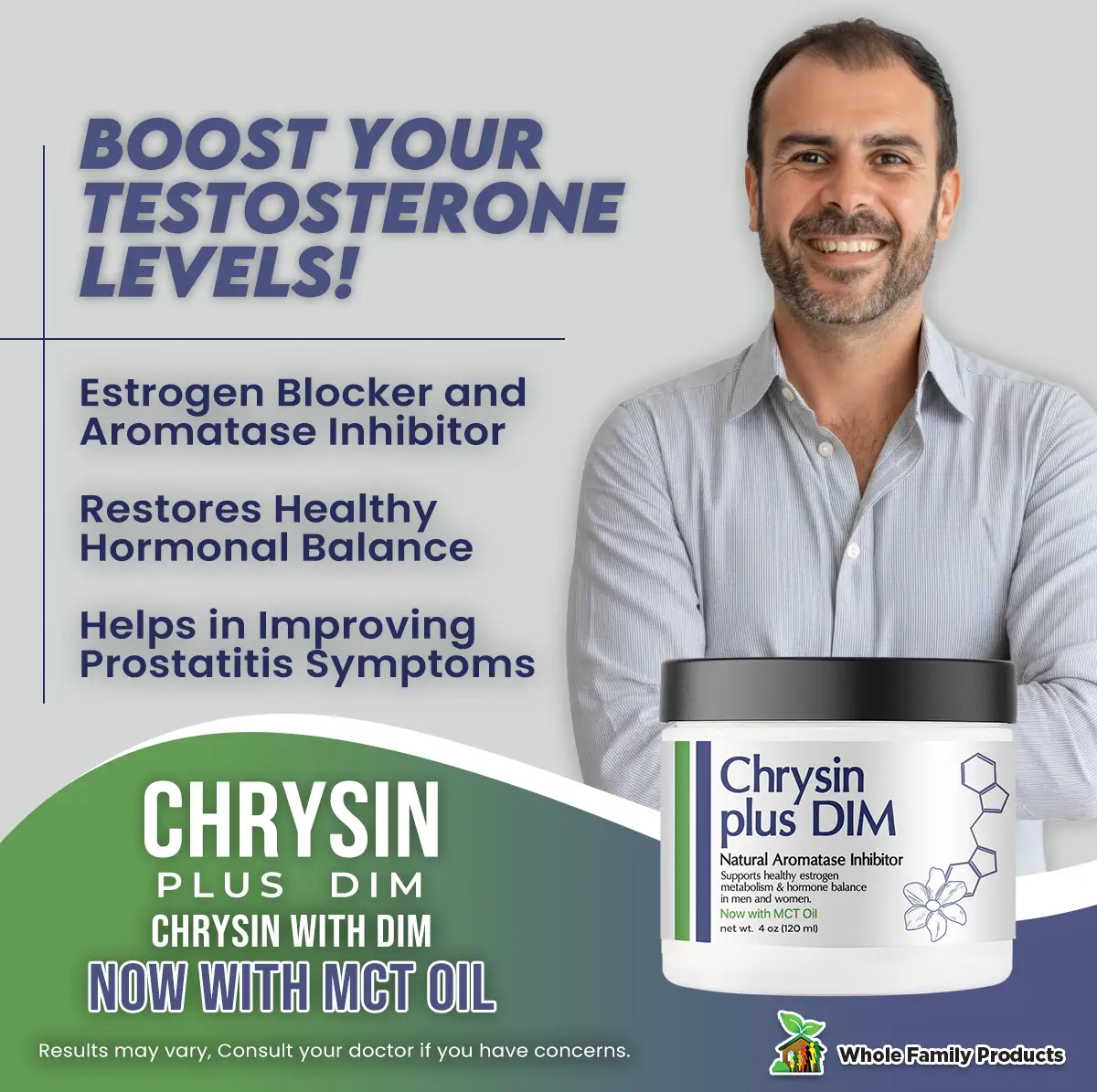
For hormonal balance, some women also consider blends that support estrogen metabolism. Chrysin with DIM and Swedish Flower Pollen Extract from Whole Family Products is one example. It includes plant-based compounds that have been studied for their effects on the aromatase enzyme which plays a role in estrogen production inside fibroid tissue.
Creams and Transdermal Support
For many, topical hormone creams are a more comfortable option than oral supplements. They absorb through the skin and enter the bloodstream without first being broken down by the liver. We would always suggest having your hormone testing using a saliva hormone kit such as ZRT.
If you’re looking into progesterone support, Whole Family Products offers a few well-known options:
- Fertile Balance Progesterone Cream — often used by women in their reproductive years, formulated with USP bioidentical progesterone and organic herbal extracts.
- Meno-Lady Progesterone Cream — a higher-strength progesterone cream that’s commonly used during menopause to support natural hormonal shifts.
- PhytoEstrogen Pro Cream — combines plant-based estrogens with progesterone and herbal ingredients, designed to support hormonal balance during perimenopause and menopause.
These products aren’t medications and aren’t intended to treat or cure medical conditions. But when used with proper hormone testing and guidance, they may help support balance in a way that feels manageable and personalized. Of course, check with your natural health provider if you feel unsure.

Foods to Avoid to Prevent Fibroid Growth
Fibroids tend to grow in response to certain hormones and growth factors. To help reduce fibroid size or prevent growth, it’s important to avoid foods that increase estrogen or insulin, both of which can promote fibroid growth:
- Cheese and Dairy: Cheese contains hormones because it’s made from milk, which naturally has growth factors designed to help calves grow. These hormones can stimulate fibroid growth, so it’s best to avoid cheese.
- Soy Products: Soy is highly estrogenic, meaning it can mimic estrogen in the body. Avoid all soy-based foods to prevent estrogen-driven growth.
- Flaxseed: Despite being healthy in other contexts, flaxseed also increases estrogen and should be avoided if you have fibroids.
- High-Carb and Sugary Foods: Insulin acts as a strong growth hormone, so foods that spike insulin (like empty carbs and sugars) should be limited or avoided.
Best Foods to Help Shrink Fibroids
Certain foods contain powerful nutrients that reduce inflammation, fibrosis (scar tissue formation), and the creation of new blood vessels that feed fibroids (angiogenesis). Incorporating these can support your body in managing fibroids:
- Berries: Rich in antioxidants and anti-inflammatory compounds.
- Garlic: It helps reduce inflammation.
- Cauliflower: It contains compounds that fight fibrosis.
- Tomatoes: They provide antioxidants that may help shrink fibroids.
- Onions and Shallots: Both have anti-inflammatory and anti-fibrotic properties.
- Broccoli Sprouts: Contain potent phytonutrients.
- Peppermint: Can be consumed as tea, as an essential oil to skin or breathed in or added to foods for its benefits.
- Dark grapes: Provide resveratrol, a compound also found in red wine known for anti-growth effects on tumors (though alcohol itself is not recommended).
Why Hormone Testing Matters
Look, you can’t guess your way to hormone balance. You need to see what’s really going on. A simple saliva test can help measure estrogen, progesterone, and other hormone levels so you can make smarter decisions.
It’s not about chasing perfection. It’s about understanding your body and giving it what it needs at the right time.
Final Thoughts
You don’t have to suffer silently. And you don’t have to settle for a one-size-fits-all fix.
Balancing hormones naturally, especially using tools like progesterone and aromatase inhibitors, isn’t just about managing fibroids. It’s about getting your body back in sync so you can feel strong, clear, and like yourself again.
If you’re thinking about adding supplements or hormone creams to your routine, or you’re worried about medications you’re currently taking, it might help to chat with your holistic provider to help you make sure everything works together.
Whole Family Products Shop offers natural progesterone creams and supplements designed to support your hormonal balance safely and gently, helping you take control of your fibroid management in a way that feels right for you.
Take care of your body like it’s your best friend, because it is.