Amino Acids for Fertility: Understanding Their Role in Reproductive Health
Amino acids play an important role in many of the body’s essential functions, including tissue maintenance, protein production, and cellular activity. Because reproductive health depends on several interconnected processes, adequate amino acid intake may also be relevant to men and women who are planning to conceive. Understanding the relationship between amino acids for fertility can help individuals make informed decisions about nutrition and reproductive wellness.
One amino acid that has received attention in fertility research is L-arginine. This amino acid is involved in the production of nitric oxide, a molecule that helps regulate blood vessel function and circulation. Researchers have explored how these processes may relate to reproductive health, including blood flow to reproductive organs and certain aspects of sperm function.
Although amino acids are essential to overall health, fertility is influenced by many factors, including age, hormone levels, reproductive anatomy, nutrition, and underlying medical conditions. Let’s explore how amino acids may contribute to reproductive function and what to consider when evaluating their potential benefits.
What Are Amino Acids?
Amino acids are organic compounds that serve as the building blocks of proteins. The body uses proteins to maintain and repair tissues, produce enzymes, support immune function, and carry out numerous other biological processes.
There are 20 standard amino acids used to build proteins. They are generally classified into three groups:
Essential amino acids: The body cannot produce these in sufficient amounts, so they must come from food.
Nonessential amino acids: The body can produce these on its own under normal circumstances.
Conditionally essential amino acids: These may be needed in greater amounts during certain circumstances, such as illness or periods of increased physiological demand.
Amino acids are available through protein-rich foods such as eggs, fish, poultry, dairy products, soy, beans, lentils, nuts, and seeds. Some are also available in dietary supplements.
When discussing amino acids for fertility, it is important to remember that reproductive health depends on overall nutritional status rather than one nutrient alone. A balanced diet that provides adequate protein and essential nutrients helps support the body’s normal functions, including those involved in reproduction.
How L-Arginine May Relate to Fertility
L-arginine is an amino acid involved in several physiological processes. One of its most studied roles is as a precursor to nitric oxide, a signaling molecule that helps blood vessels relax and widen. This process, known as vasodilation, allows blood to flow more easily through the circulatory system.
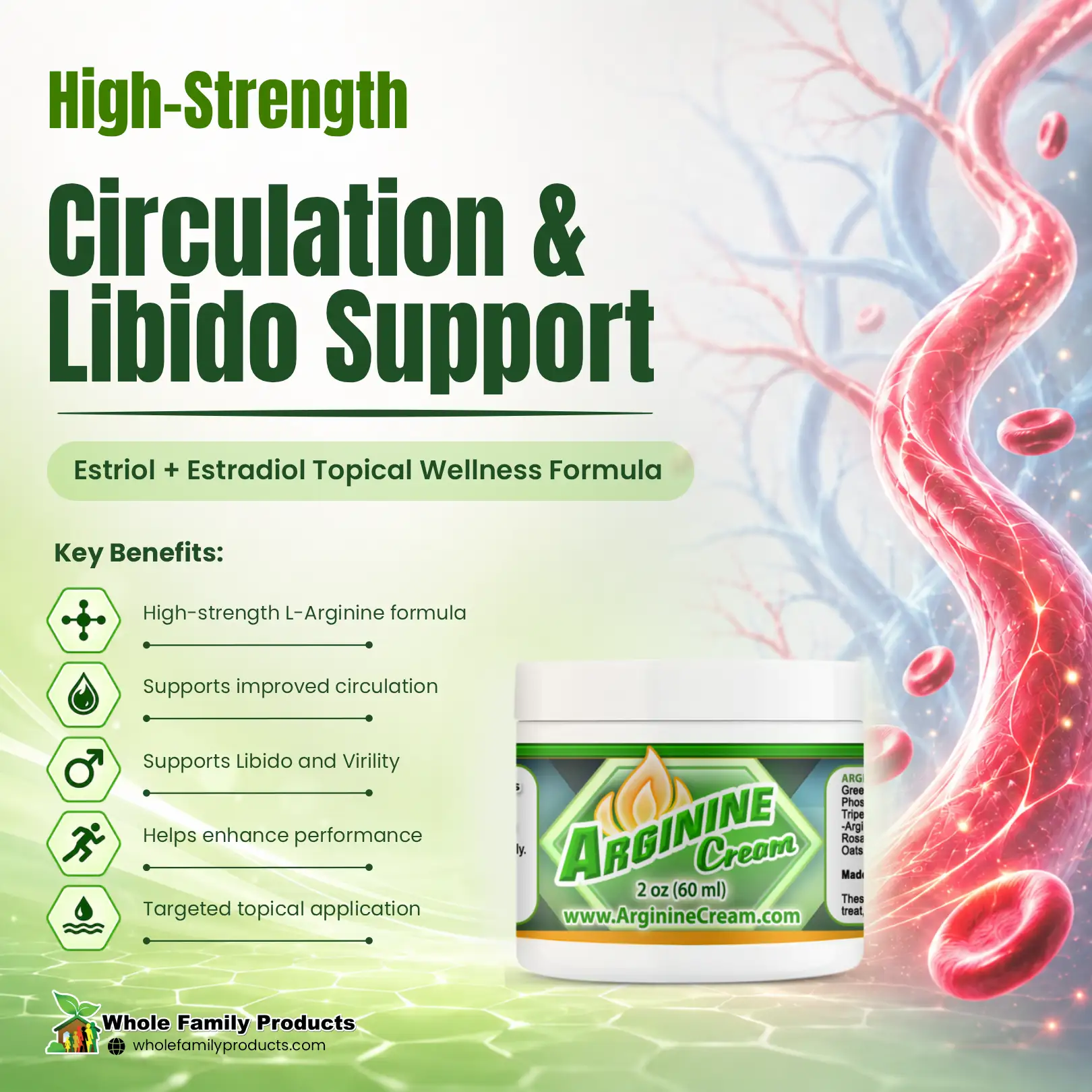
Adequate circulation is important for the normal function of reproductive organs. For this reason, researchers have investigated whether L-arginine and nitric oxide pathways may have a role in certain aspects of male and female reproductive health.
However, research into L-arginine and fertility is still developing. Its biological role does not mean that taking an L-arginine supplement will necessarily improve the chances of conception. Results may vary depending on an individual’s health, the form and amount used, and other fertility-related factors.
Amino Acids and Female Reproductive Health
Female fertility involves several coordinated processes, including ovulation, the movement of the egg through the reproductive tract, fertilization, and implantation of the resulting embryo. Blood circulation, hormone signaling, and the condition of reproductive tissues all contribute to these processes.
1. Blood Flow to Reproductive Organs
Nitric oxide helps regulate blood vessel function throughout the body. Because L-arginine contributes to nitric oxide production, researchers have examined its possible relationship with blood circulation in reproductive tissues. Healthy blood flow is important for normal ovarian and uterine function.
2. Nitric Oxide and Reproductive Function
Nitric oxide participates in several signaling processes in the body. In the reproductive system, it has been studied for its potential involvement in ovarian function, uterine activity, and other processes related to reproduction.
These findings help explain why the relationship between amino acids for fertility has attracted scientific interest. Nevertheless, nitric oxide has complex effects that depend on where and how it is produced. More nitric oxide is not automatically better, and its effects cannot be reduced to a simple promise of improved fertility.
3. PCOS, Fibroids, and Endometriosis
Conditions such as polycystic ovary syndrome (PCOS), uterine fibroids, and endometriosis may affect fertility in different ways. PCOS can interfere with ovulation, fibroids may affect the uterine environment depending on their size and location, and endometriosis can contribute to inflammation, pain, and reproductive difficulties. Inflammation and changes in blood vessel function may be relevant to some of these conditions.
However, there is not enough evidence to conclude that L-arginine or other amino acid supplements prevent or treat PCOS, fibroids, or endometriosis. Anyone with a known or suspected reproductive condition should discuss appropriate evaluation and management with a qualified healthcare professional rather than relying on amino acid supplementation alone.
4. Cervical Mucus and the Fertile Window
Cervical mucus changes throughout the menstrual cycle in response to hormonal fluctuations. Around ovulation, it typically becomes clearer, more slippery, and more elastic, helping sperm move through the cervix.
Because nitric oxide is involved in several reproductive signaling pathways, researchers have investigated its possible role in female reproductive function. However, evidence is insufficient to establish that increasing L-arginine intake improves cervical mucus quality or consistency in a way that increases the chances of pregnancy.
Tracking menstrual cycles and changes in cervical mucus may help individuals identify their fertile window. Anyone experiencing persistent concerns about cervical mucus or ovulation can discuss them with a healthcare professional.
Amino Acids and Male Fertility
Male fertility depends on several factors, including sperm production, sperm movement, sperm shape, hormone regulation, and the function of the reproductive tract. Nutrition is one part of this picture, and amino acids contribute to the normal biological processes that support these functions.
1. Sperm Production and Quality
L-arginine has been studied in relation to male reproductive health because of its involvement in nitric oxide production and cellular signaling. These pathways may play a role in aspects of sperm function.
2. Blood Circulation and Sexual Function
Nitric oxide is involved in the relaxation of smooth muscle and the regulation of blood flow. In men, these actions are important for the normal erectile response.

L-arginine has therefore been investigated for its potential role in erectile function. However, erectile function and fertility are not the same thing. While sexual function can influence the ability to conceive through intercourse, improved erections do not necessarily mean that sperm quality or fertility has improved.
Men experiencing persistent erectile difficulties or concerns about sperm health should seek medical advice to identify possible underlying causes.
Should You Consider Amino Acids for Fertility?
Amino acids are essential to normal protein production, tissue maintenance, and many other biological functions. L-arginine is of particular interest because it contributes to nitric oxide production, which helps regulate blood vessel function and participates in several physiological pathways.
Before adding an amino acid supplement to your routine, consider your dietary intake, existing health conditions, and any medications you take. A healthcare professional can help you evaluate whether supplementation is appropriate for your circumstances.
Explore our L-Arginine products to learn more about the available options.
For more information about the broader roles of these nutrients, read our article on the top six benefits of amino acids you need to know.