How Hormonal Changes Impact Skin Health: Natural Ways to Support Your Skin
Hormonal changes are a natural part of life, but they can sometimes leave your skin feeling like it’s on a rollercoaster. Whether it’s breakouts, dryness, or unexpected signs of skin aging, hormone fluctuations can have a big impact on your skin health.
Understanding how these changes work and what you can do to support your skin naturally can make all the difference.
How Do Hormones Affect My Skin?
Hormones are like messengers in your body, telling your skin how to behave. When hormone levels shift, your skin often reacts. For example, androgens (male hormones present in both men and women) can increase oil production, leading to breakouts. On the other hand, a drop in estrogen, especially during menopause, can make your skin drier and thinner.
A study published in the International Journal of Women’s Dermatology found that hormonal imbalances, particularly estrogen and progesterone, are closely linked to skin aging and reduced collagen production.
This can lead to fine lines, wrinkles, and a loss of elasticity. Another study from NCBI highlighted how cortisol, the stress hormone, can worsen skin conditions like acne and eczema by increasing inflammation.
What Are the Common Skin Changes During Hormonal Fluctuations?
1. Acne and Breakouts
Hormonal shifts are a significant factor in acne development, with increased occurrences typically seen during puberty, menstruation, pregnancy, and menopause. High androgen levels can cause the sebaceous glands to produce more oil, leading to clogged pores and breakouts.
Research from the Journal of Clinical and Aesthetic Dermatology suggests that hormonal fluctuations are a key contributor to persistent adult acne.
2. Skin Aging and Wrinkles
Collagen loss is a natural part of aging, but hormonal changes accelerate the process. A study published in the Journal of Aging Research found that declining estrogen levels lead to decreased collagen synthesis, which results in thinner, sagging skin. This makes fine lines and wrinkles more noticeable over time.
3. Dry and Sensitive Skin
Hormone fluctuations can weaken the skin barrier, leading to moisture loss. Women experiencing menopause often report increased dryness due to declining estrogen levels.
4. Hyperpigmentation and Dark Spots
Pregnancy-related hormonal changes can trigger melasma, a condition that causes dark patches on the skin. This is often called the “pregnancy mask” and is linked to increased estrogen and progesterone levels.
5. Increased Skin Redness and Inflammation
Hormonal imbalances, especially estrogen and cortisol, can lead to heightened skin sensitivity and redness.
Research in the Journal of Dermatological Science indicates that fluctuating estrogen levels may impact the skin’s immune response, making conditions like rosacea or eczema more noticeable during hormonal shifts.
6. Excessive Oil Production and Enlarged Pores
Androgens play a significant role in stimulating sebaceous gland activity. An increase in these hormones can lead to excessive oil production, causing pores to appear larger.
Studies have shown that hormonal changes, particularly during puberty and stress, contribute to excessive sebum secretion, making skin more prone to congestion and acne.
How to Support Skin Health During Hormonal Changes
1. Nourish Your Skin with the Right Nutrients
Your diet plays a significant role in maintaining skin health. Omega-3 fatty acids, found in fish and flaxseeds, help reduce inflammation.
Antioxidants like vitamins C and E can protect against oxidative stress, while zinc helps regulate oil production. Adding probiotic-rich foods like ProZyme Plus, yogurt and fermented vegetables may also help support gut health, which is closely linked to skin balance.
2. Use Natural Skincare Products
Harsh chemicals can strip the skin’s natural oils, making hormonal skin issues worse. Look for gentle, plant-based ingredients such as:
- Aloe vera for soothing irritation
- Jojoba oil for balanced hydration
- Green tea extract for antioxidant protection
- Rosehip oil supports skin elasticity and reduces fine lines
- Chamomile extract to calm redness and inflammation
3. Balance Your Hormones Naturally
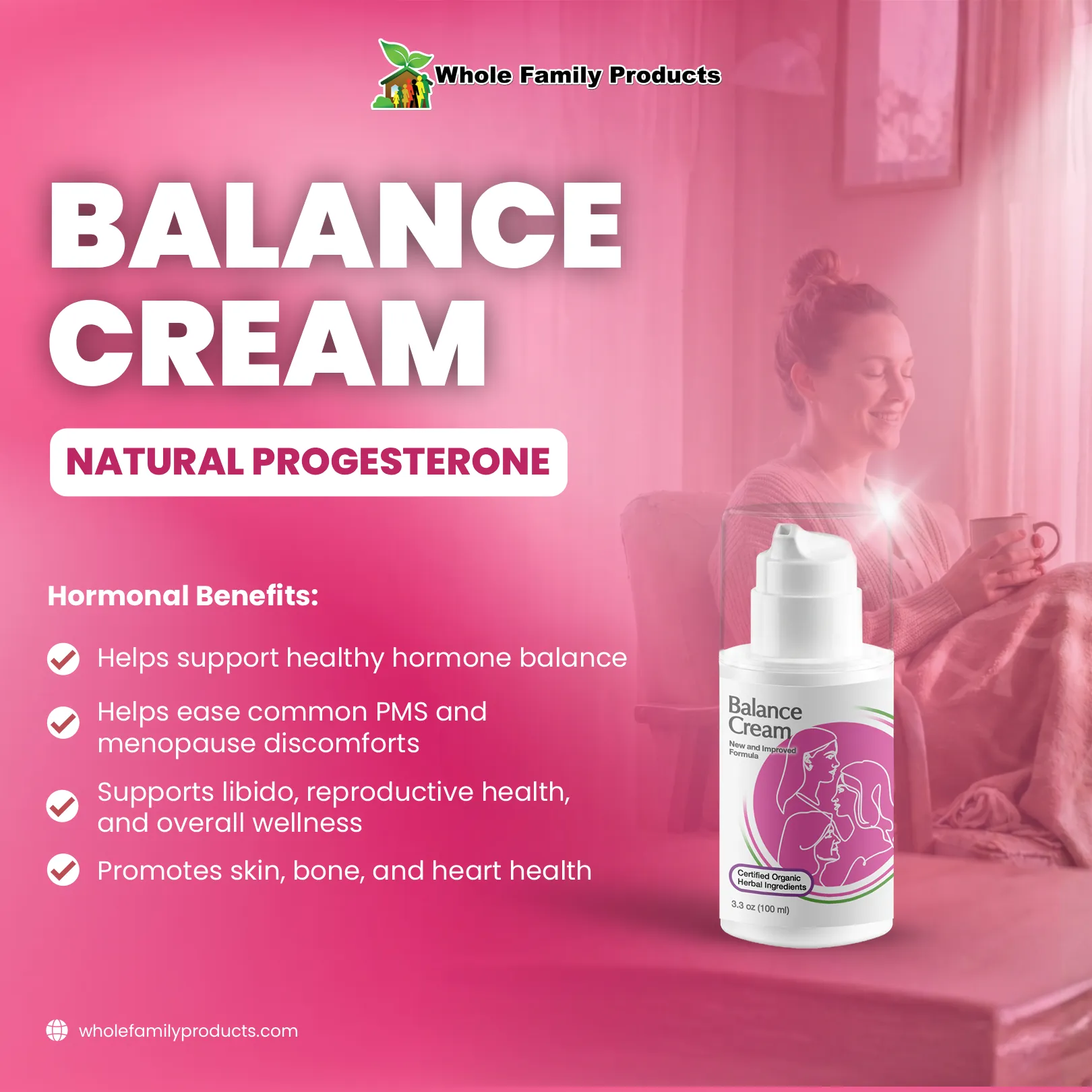
Certain herbs and supplements like Balance Cream Natural Progesterone may support hormonal balance. Studies suggest that:
- Maca root may help regulate hormone levels during menopause.
- Chasteberry (Vitex agnus-castus) has been found to support progesterone production and reduce premenstrual breakouts. Evening primrose oil contains gamma-linolenic acid (GLA), which may help improve skin hydration.
- Turmeric has anti-inflammatory properties that may support hormonal balance and reduce skin redness.
- Adaptogenic herbs like ashwagandha and Rhodiola may help regulate stress-related hormonal imbalances.
- Clear your liver with ingredients like milk thistle, dandelion, Aspergillus oryzae and other ingredients found in Fatty Liver Complex
4. Manage Stress Levels
Chronic stress increases cortisol, a hormone that can trigger inflammation and breakouts. Practicing mindfulness, yoga, or deep breathing exercises may help keep stress-related skin issues at bay. Getting adequate sleep and engaging in physical activity also play a key role in reducing stress and balancing hormones naturally. Having trouble sleeping? It might be time to try Melatonin and Magnesium.
Read more about: FAQS: DIM and Cortisol Your Guide to Managing Stress Hormones Naturally
5. Stay Hydrated and Protect Your Skin Barrier
Drinking plenty of water supports skin hydration from the inside out. Additionally, using a natural moisturizer with hyaluronic acid and plant oils can help strengthen the skin’s barrier and prevent moisture loss.
Lifestyle Changes That Can Improve Skin Health
In addition to skincare and supplements, making key lifestyle changes can help improve your skin’s resilience against hormonal fluctuations:
- Maintain a Regular Sleep Schedule: Sleep deprivation increases cortisol levels, leading to inflammation, breakouts, and premature aging. Aim for at least 7-9 hours of quality sleep each night.
- Exercise Regularly: Physical activity improves circulation, delivering oxygen and nutrients to skin cells while helping to regulate stress hormones that impact skin health.
- Follow a Balanced Diet: Minimize processed foods and added sugars, which can exacerbate inflammation and hormonal imbalances. Instead, focus on whole, nutrient-dense foods rich in vitamins, healthy fats, and proteins to support skin repair and elasticity.
- Limit Caffeine and Alcohol: Excessive caffeine and alcohol intake can dehydrate the skin and disrupt hormone balance, leading to dullness, dryness, and increased breakouts. Opt for herbal teas and hydrating beverages instead.
- Get Fresh Air and Sunlight in Moderation: Sun exposure in controlled amounts supports vitamin D production, which plays a role in skin regeneration. However, excessive UV exposure can accelerate collagen breakdown and aging, so always protect your skin with a natural, mineral-based sunscreen.
- Reduce Exposure to Environmental Toxins: Air pollution, cigarette smoke, and chemical-laden personal care products can damage the skin and interfere with hormone function. Switching to organic and non-toxic products can minimize these effects.

FAQs About Skin Health and Hormonal Changes
1. How do hormones affect my skin?
Hormones like estrogen, progesterone, and cortisol play a big role in skin health. They influence oil production, collagen levels, and even how your skin responds to inflammation. When these hormones fluctuate, your skin can react with breakouts, dryness, or signs of aging.
2. What are the common skin changes during hormonal fluctuations?
Common changes include acne, dryness, increased skin aging, and hyperpigmentation. These are often linked to shifts in estrogen, progesterone, and cortisol levels.
3. Can diet help with hormonal skin issues?
Yes! A diet rich in whole foods, healthy fats, and antioxidants can support hormone balance and skin health. Avoiding processed foods and sugar can also help reduce inflammation and breakouts.
Take Charge of Your Skin Health Naturally
Your skin reflects what’s happening inside your body, and hormonal fluctuations can make it challenging to maintain a clear, youthful complexion. Whole Family Products offers natural skincare and hormone-balancing solutions to help support your skin from the inside out.
Try AntiAging Energy Cream for revitalizing tired skin, Collagen AM/PM Firming Face Cream to support skin elasticity, and Balance Cream Natural Progesterone for hormone balance.
For menopause-related skin concerns, Meno-Lady Progesterone Cream and Menopause Relief Cream can provide much-needed support.
Explore our carefully crafted transdermal creams, herbal supplements, and nutrient-rich products designed to work with your body naturally. If you have concerns about how your medications may interact with natural solutions, consult your holistic healthcare provider.