Table of Contents
The Different Types of Enzymes
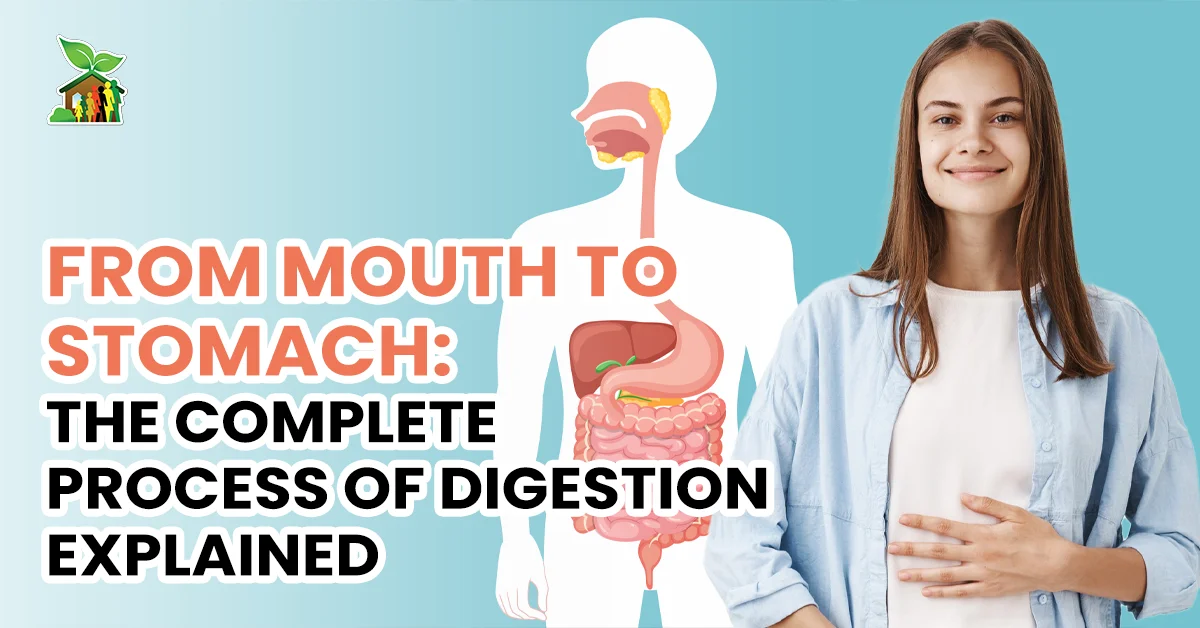
When your digestion isn’t working well, it can affect everything. You could be eating clean, avoiding foods you know don’t sit right, maybe even taking probiotics… and still feel bloated, tired, or just off.
What a lot of people don’t realize is that your body might not be breaking food down the way it should. And it’s not always obvious. Maybe meals feel heavier than they used to. Maybe you get gassy or uncomfortable even when eating healthy. Or maybe your energy just tanks after eating.
Enzymes are a big part of that equation, and if your body isn’t making enough, or if your diet is low in natural sources (which is common), your digestion has to work way harder than it should, so it’s important to support your gut health with supplements, probiotics, and enzymes.
The Importance of Enzymes
Enzymes are proteins your body relies on for nearly everything, not just breaking down food. They help with nutrient absorption, waste elimination, cell repair, and even support your immune system and inflammation response. The real benefits of enzymes show up in how efficiently your body runs day to day, from how well you digest meals to how much energy you have afterwards.
You’ve got three general categories:
- Digestive enzymes – for breaking down food
- Metabolic enzymes – for all the stuff your cells do to keep you alive
- Food enzymes – found in raw foods, and they help your body use less energy during digestion
The problem is, your body doesn’t always make enough. And most of us aren’t eating raw, enzyme-rich foods all day. So we’re asking our systems to do more with less. That’s when you might notice things like:
- Meals sitting heavy
- Weird bloating even after “healthy” food
- Fatigue that hits after eating
- Or just not feeling as sharp or comfortable as you should
Types of Enzymes: What You’re Actually Missing
Let’s break down some of the main types of enzymes your body uses and how they connect to your overall health. Understanding the link between enzymes and health can make it easier to spot when something’s off and know what kind of support might actually help.
Amylase
Helps digest carbs (think: bread, rice, potatoes)
When it’s low: You feel bloated or gassy after a meal with starches
Protease
Breaks down protein (like meat, eggs, beans)
When it’s low: You might feel tired, foggy, or have muscle aches after eating
Lipase
Helps digest fats (butter, oils, avocado, meat)
When it’s low: Food feels heavy, and you might get that greasy upset stomach feeling
Lactase
Breaks down lactose (dairy sugar)
When it’s low: That’s when you get bloating, cramping, or gas after milk, cheese, or ice cream
And then there are others like cellulase (for fiber), bromelain (a natural anti-inflammatory enzyme from pineapple), and papain (from papaya).
These are found in plant-based enzyme blends like Digestion Specialist, which includes 18 different types of enzymes to support all major food groups, so your body isn’t stuck guessing what to do with your meals.

How Enzymes Affect Your Health (It’s Not Just Digestion)
Here’s something I always make sure to explain: enzymes don’t just help with digestion, they’re involved in so much more.
When you support enzyme activity, you’re also helping with:
- Nutrient absorption (especially things like iron, B12, magnesium)
- Immune function (your gut and immune system are closely connected)
- Energy production (if your body can’t break things down, it can’t use them for fuel)
- Inflammation response (some enzymes help keep inflammation in check naturally)
Low enzyme function doesn’t always show up as “sick.” Sometimes, it’s just low energy, feeling off, skin issues, or being more sensitive to food than you used to be.
A 2023 review published in Biomedicines explains how enzymes are involved in key physiological processes like metabolism, cellular detoxification, immune regulation, and even oxidative stress balance.
The paper highlights how supplementing with enzymes may help support the body’s natural ability to restore balance in systems that are under strain, especially in cases of inflammation, immune dysregulation, or poor nutrient absorption.
So while digestion might be where most people notice enzyme benefits first, supporting enzyme activity can have ripple effects throughout the body, especially when combined with good nutrition and gut health support.
Are Enzymes Only About Digestion?
I hear this one all the time: “I don’t have digestive problems, so I probably don’t need enzymes.” But that’s a common misunderstanding.
But here’s the thing: metabolic enzymes are responsible for a ton of stuff outside the digestive system. We’re talking:
- Breaking down toxins
- Supporting joint repair
- Helping with recovery after workouts
- Assisting immune cells
So even if your digestion seems okay, your body still needs enzyme support, especially if you’re over 30, deal with chronic stress, or have been on antibiotics. And if you’re doing a lot of work to eat clean or detox, but still don’t feel like yourself, enzymes could be the missing piece.
That’s why I recommend blends like ProZyme Plus, it’s not just a digestive enzyme, but a 3-in-1 formula with probiotics and prebiotics to support gut health, enzyme function, and nutrient absorption all at once.
How Probiotics and Enzymes Work Together
A lot of people start taking probiotics to support their gut, which is a great first step.
But if you’re not also thinking about enzymes, you’re probably not getting the full benefit. The two work better together than most people realize.
Probiotics are the good bacteria in your gut. They help balance your microbiome, support the immune system, and assist in breaking down certain fibers and starches. But even the healthiest gut flora won’t get very far if your body doesn’t have enough enzymes to properly digest food.
Why You Need Both
Probiotics:
- Help maintain balance in the gut
- Influence some enzyme production in the intestine
- Support immune response and gut lining integrity
Enzymes:
- Handle the breakdown of proteins, fats, and carbohydrates
- Help nutrients get absorbed more efficiently
- Reduce fermentation and bloating caused by undigested food
This is why I like recommending formulas that combine the two, like ProZyme Plus, which blends digestive enzymes, probiotics, and prebiotics into one supplement. It’s a more complete approach, especially for someone who’s been dealing with digestive imbalances for a while or is coming off antibiotics.
Enzymes play a vital role in your health, but how do you know if you need more support? Read Part 2, Common Signs Your Body May Need Enzyme Support, to learn more.