Table of Contents
- 1 Effective Anti-Inflammatory Tips for Joint and Muscle Pain Relief
- 2 What Causes Joint Inflammation?
- 3 Top 7 Anti-Inflammatory Tips for Joint Pain
- 3.1 Tip #1. Incorporate Anti-Inflammatory Foods into Your Diet
- 3.2 Tip #2. Exercise Regularly, But Gently
- 3.3 Tip #3. Stay Hydrated for Better Joint Health
- 3.4 Tip #4. Use Natural Topical Remedies
- 3.5 Tip #5. Get Enough Restful Sleep
- 3.6 Tip #6. Manage Stress Levels
- 3.7 Tip #7. Consider Natural Supplements for Joint Support
- 4 The Role of Chronic & Pain Relief Products in Supporting Recovery
- 5 Lifestyle Changes for Long-Term Relief
- 6 FAQ on Anti-Inflammatory Products
- 7 Take Control of Your Joint and Muscle Health Naturally
Effective Anti-Inflammatory Tips for Joint and Muscle Pain Relief
Managing inflammation is important for maintaining joint and muscle health. Chronic inflammation can lead to discomfort, stiffness, and reduced mobility, significantly impacting daily life. Fortunately, there are natural anti-inflammatory strategies that help alleviate joint and muscle pain while supporting overall health.
What Causes Joint Inflammation?
Joint inflammation happens when your body’s immune system responds to something it sees as a problem, like an injury, infection, or even wear and tear over time. This response is meant to protect you, but sometimes it goes overboard, causing swelling, stiffness, and pain in the joints.
Conditions like arthritis, autoimmune issues, or repetitive strain can also trigger inflammation. Everyday factors such as poor diet, lack of movement, or high stress levels might make things worse, too. Understanding these triggers can help you find ways to ease discomfort and support healthier joints.
Top 7 Anti-Inflammatory Tips for Joint Pain
Here are some effective anti-inflammatory tips, backed by research, to help ease joint discomfort and improve mobility:
Tip #1. Incorporate Anti-Inflammatory Foods into Your Diet
What you eat can significantly impact your body’s inflammation levels. Foods rich in omega-3 fatty acids—like salmon, flaxseed, chia seeds, and walnuts—are well-known for their anti-inflammatory properties.
A study published in the California Agriculture Journal found that omega-3s can help reduce inflammatory markers and alleviate symptoms of rheumatoid arthritis. Start small by adding a handful of nuts or swapping refined grains for whole grains in your meals.
Tip #2. Exercise Regularly, But Gently
Low-impact exercises like yoga, swimming, or walking can help reduce stiffness and improve joint flexibility without causing strain. According to a study in Cytokine & Growth Factor Reviews, regular physical activity boosts circulation, reduces inflammation, and strengthens the muscles around your joints for better support. If you’re new to exercise, consider starting with short, manageable sessions and gradually increasing intensity as your body adapts.
Tip #3. Stay Hydrated for Better Joint Health
Staying hydrated helps flush out toxins that can contribute to inflammation. A study published in the MDPI Nutrients Journals highlights the connection between proper hydration and joint flexibility, especially as we age. Aim for at least 8 cups of water a day, and more if you’re active or live in a warm climate. Better yet, add a little organic tea to some of that water, like oolong or green tea, and boost your immunity at the same time.
Tip #4. Use Natural Topical Remedies
Applying natural creams or gels can provide targeted relief for joint pain. Products containing capsaicin, derived from chili peppers, have been shown to block pain signals when applied to the skin. Research in BMC Musculoskeletal Disorders supports the use of capsaicin for managing arthritis-related pain. Another option is arnica gel, which has anti-inflammatory and pain-relieving properties and has proven effective in clinical trials for reducing muscle and joint pain.
Tip #5. Get Enough Restful Sleep
Sleep is when your body repairs itself, and poor sleep quality can worsen inflammation. Research in Sleep Medicine Reviews found that insufficient or fragmented sleep is linked to higher levels of inflammatory markers in the blood. To support joint recovery and overall health, create a calming bedtime routine, reduce screen time before bed, and aim for 7-9 hours of quality sleep each night.
Tip #6. Manage Stress Levels
Chronic stress can fuel inflammation, making joint pain harder to manage. Mindfulness practices like meditation, deep breathing, or even gentle stretching can lower stress hormones and reduce inflammation. Studies in Frontiers in Human Neuroscience suggest that mindfulness-based stress reduction techniques can significantly improve pain management and emotional well-being.
Tip #7. Consider Natural Supplements for Joint Support
Natural supplements can be a helpful addition to your routine, providing nutrients and compounds that reduce inflammation and support joint health. Turmeric, for example, contains curcumin, a powerful anti-inflammatory compound that has been shown to improve joint function and reduce pain.
A study published in The Journal of Ethnopharmacology demonstrated that curcumin supplementation significantly reduced symptoms of osteoarthritis. Similarly, supplements like ginger, boswellia, and omega-3 fatty acids have been widely studied for their ability to reduce inflammatory markers and improve mobility. Don’t like pills? Try juicing. A few carrots and an inch of ginger can go a long way in helping to reduce inflammation.
Adding these supplements to your regimen, under the guidance of a healthcare professional, may provide an extra layer of support for managing joint pain effectively.
The Role of Chronic & Pain Relief Products in Supporting Recovery
Chronic and pain relief products are specially designed to address the root causes of discomfort, such as inflammation and poor circulation. They provide targeted relief to help you regain comfort and mobility.
- Magnesium Topicals
Magnesium is a vital mineral that plays a crucial role in muscle relaxation and reducing inflammation. Magnesium-based creams are applied directly to the skin, allowing the mineral to absorb into sore areas.
This localized approach can help soothe stiff muscles and reduce chronic pain. Research from the Journal of Musculoskeletal and Neuronal Interactions supports magnesium’s ability to alleviate muscle cramps and tension, making it an excellent option for ongoing pain relief.
- Herbal Creams
Herbal creams containing ingredients like arnica and menthol are another natural option for pain relief. According to studies from the Journal of Ethnopharmacology, arnica is well-known for its anti-inflammatory properties and ability to reduce swelling. Look for creams that include these ingredients.
These ingredients can help improve mobility and comfort. Whole Family Products offers herbal creams, such as Inflarid Heat Therapy (the boss’s personal favorite for quick relief), Pain Away Now and Pain Away Creams, crafted with these natural ingredients, providing a safe and effective alternative to synthetic pain relievers.
Lifestyle Changes for Long-Term Relief
Adopting small but meaningful lifestyle changes can significantly reduce joint and muscle pain over time.
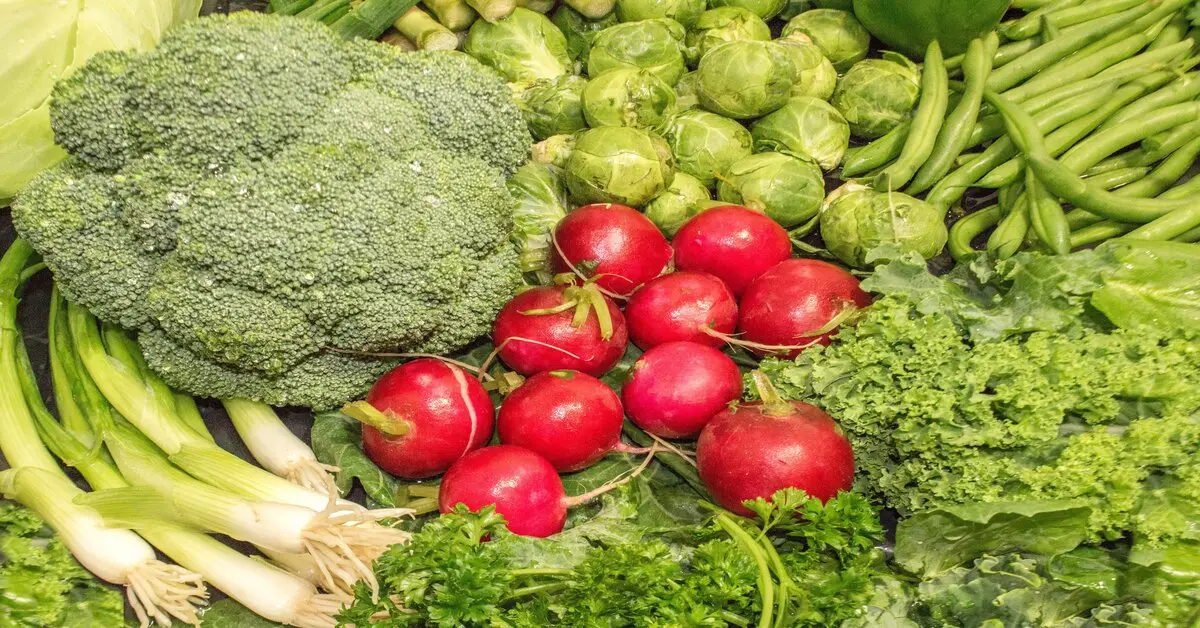
- Focus on an Anti-Inflammatory Diet: Foods rich in antioxidants, omega-3 fatty acids, and polyphenols, like berries, leafy greens, and nuts, can lower inflammation and improve joint health.
- Stay Physically Active: Regular low-impact exercises such as walking, swimming, or yoga help maintain joint mobility and reduce stiffness. Studies show exercise can also slow the progression of arthritis.
- Prioritize Quality Sleep: Poor sleep is linked to increased inflammation and heightened pain sensitivity. Aim for 7-9 hours of restorative sleep to support recovery.
- Manage Stress Effectively: Chronic stress contributes to inflammation. Practices like mindfulness meditation and deep breathing can reduce stress hormones and inflammation.
- Quit Smoking and Limit Alcohol: Smoking worsens inflammation, and excessive alcohol can impair your body’s natural healing processes.
FAQ on Anti-Inflammatory Products
What are the best anti-inflammatory foods for joint pain relief?
Anti-inflammatory foods include fatty fish (like salmon), berries, leafy greens, nuts, and olive oil. These foods reduce inflammation and improve joint health.
Can natural anti-inflammatory supplements help with arthritis pain?
Yes, supplements like Organic Turmeric Complex, GTC(Ginger Turmeric Curcumin), and omega-3 fatty acids have been shown to help reduce inflammation and improve arthritis symptoms.
Are anti-inflammatory creams effective for muscle pain?
Topical anti-inflammatory creams, especially those containing menthol or CBD, can provide quick relief from muscle pain by reducing inflammation directly at the site of discomfort.
How can I manage chronic inflammation naturally?
A combination of an anti-inflammatory diet, natural supplements, regular exercise, and stress management can help reduce chronic inflammation and improve overall health.
Can I rely on anti-inflammatory products instead of prescription medications?
While natural products can be helpful in managing inflammation, it’s important to talk to a holistic provider to ensure they complement any medications you may be taking.
Take Control of Your Joint and Muscle Health Naturally
If you’re looking for natural ways to manage joint and muscle pain, the tips shared here can make a real difference. From incorporating anti-inflammatory foods into your diet to using natural supplements and creams, there are plenty of options to explore.
Whole Family Products offers a variety of natural supplements and topicals that support inflammation management and overall joint health. If you have questions or concerns about the effects or interactions with medications, please check with your holistic provider.