Table of Contents
- 1 What You Should Know About DIM and Indole-3-Carbinol
- 2 What’s the Real Difference Between DIM Supplement and Indole-3-Carbinol?
- 3 Why Might You Choose One Over the Other?
- 4 Are These Compounds Naturally Found in Food?
- 5 How to Include DIM and Indole-3-Carbinol in Your Daily Routine
- 6 FAQs about DIM and Indole-3-Carbinol
- 7 Find Simple Ways to Support Balance Every Day
What You Should Know About DIM and Indole-3-Carbinol
Have you ever noticed how certain foods, like broccoli or cabbage, seem to get all the credit for being “superfoods”? There’s a good reason. Inside these veggies are natural compounds that your body can turn into Indole-3-Carbinol, and from there into something called DIM.
You might have already seen DIM supplements on the shelves, but the story starts with what’s on your plate. Both DIM and Indole-3-Carbinol work a little differently, yet people look to them both for support with estrogen metabolism and overall balance.
The research around them is pretty fascinating, and knowing the difference can help you make sense of why both are worth paying attention to.
What’s the Real Difference Between DIM Supplement and Indole-3-Carbinol?
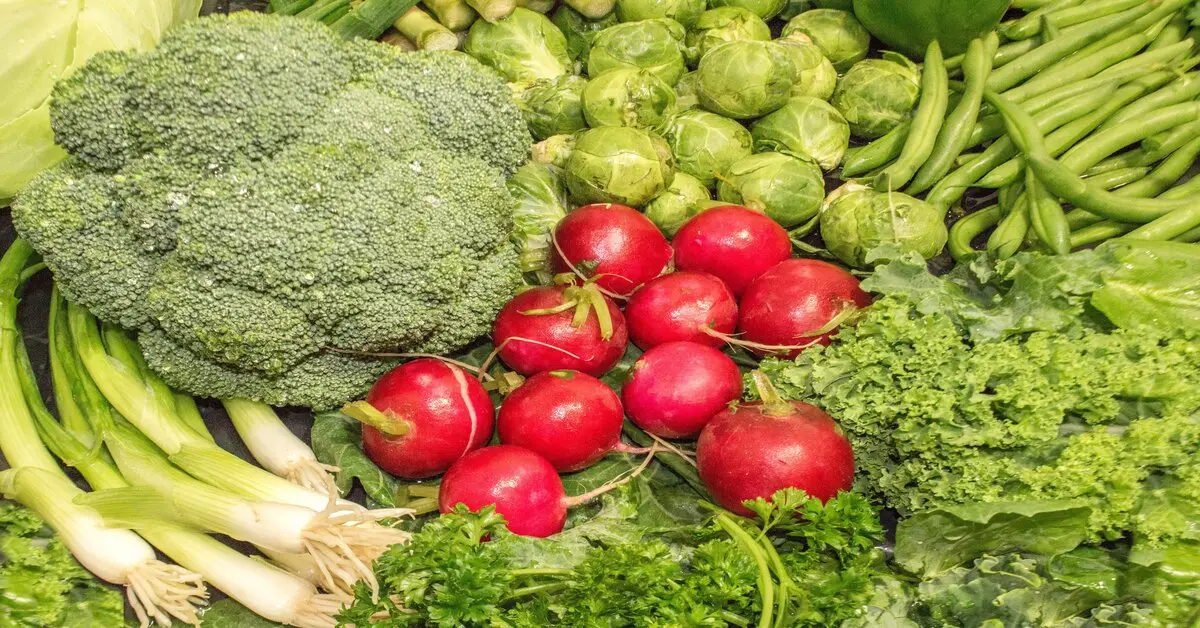
Compounds such as DIM and Indole-3-Carbinol (I3C) are derived from cruciferous vegetables, particularly broccoli, cabbage, and Brussel sprouts. At first glance, they may seem interchangeable, but your body handles them in different ways.
- Indole-3-Carbinol (I3C)
When you eat cruciferous vegetables, I3C is one of the first compounds released. According to the National Cancer Institute, I3C is considered chemically unstable, which means it doesn’t stay intact very long once it enters the stomach. - Conversion into DIM
I3C is unstable and rapidly breaks down into several different compounds, among which DIM (diindolylmethane) has been the most widely studied. Researchers from BMC Complementary Medicine point out that DIM is more predictable and easier to measure, which makes it a better candidate for supplements and clinical studies. - DIM Supplement
A direct DIM supplement gives your body the active form right away, without relying on that conversion process. Nutrition experts explain that this makes DIM more consistent and reliable compared to I3C when it comes to dosing. - Estrogen Metabolism Support
Both compounds are being studied for their role in supporting estrogen metabolism. Findings published in the Journal of Nutrition suggest that DIM may be particularly effective in promoting healthier estrogen pathways, which is why it’s often included in hormone balance supplements.
In simple terms, I3C is the compound you get straight from veggies, while DIM is the stable form that’s easier for researchers and your body to work with. That’s why DIM supplements are often the more practical choice if you’re looking for consistency.
Why Might You Choose One Over the Other?
Deciding between Indole-3-Carbinol (I3C) and a DIM supplement often comes down to how each behaves in the body. They’re related, but not identical, and researchers have found some key differences that matter when you’re weighing food versus supplements.
- Stability
I3C is unstable and quickly breaks down in the stomach, while DIM is more stable and predictable. A study in BMC Complementary Medicine note DIM’s consistency makes it easier to study and dose. - Conversion
I3C must first convert into DIM before your body can use it, which means results can vary from person to person. - Safety
DIM has been shown in long-term animal studies to have no clear toxicity at human-relevant doses (PubMed). I3C is less predictable since it strongly activates certain liver enzymes. - Estrogen metabolism
Both support estrogen breakdown, but DIM is considered more reliable. Research from the Journal of Nutrition suggests DIM may help shift estrogen toward pathways linked with better balance. - Practical use
Eating cruciferous veggies gives you I3C naturally, but if you’re looking for steady amounts, a DIM supplement is easier to measure and use.
In short, I3C is like the raw ingredient you get through food, while DIM is the finished product. Both matter, but supplements tend to focus on DIM because it’s stable, reliable, and easier to study.
Are These Compounds Naturally Found in Food?
Yes, both DIM and Indole-3-Carbinol (I3C) are linked directly to the foods you eat. When you add more cruciferous vegetables to your meals, you’re giving your body the raw materials it needs to create these compounds.
According to the Linus Pauling Institute, I3C is released when these vegetables are chopped or chewed, and once it reaches your stomach, it converts into DIM and other related compounds.
Some of the best natural sources include:
- Broccoli
- Cauliflower
- Kale
- Cabbage
- Brussel sprouts
A study in the Journal of Nutrition notes that people who regularly eat cruciferous vegetables may naturally increase the presence of DIM in their system. Still, diet alone doesn’t always give consistent amounts, since cooking and digestion can change how much your body actually absorbs.
That’s why many turn to a DIM supplement. It delivers a more predictable dose when food sources aren’t enough.
How to Include DIM and Indole-3-Carbinol in Your Daily Routine
Adding these compounds to your lifestyle doesn’t have to be complicated. You can get them naturally from food or choose a supplement if you want a steadier amount.
Studies show both approaches can help support estrogen metabolism, though the dose and form may differ.
From food
- Add cruciferous vegetables like broccoli, Brussel sprouts, cauliflower, kale, and cabbage to meals.
- Light steaming may help preserve compounds like I3C, while heavy boiling can reduce them.
- Aim for at least a few servings per week to keep these compounds in your diet.
From supplements
- Research suggests common DIM dosages fall around 150–200 mg daily, while up to 300 mg appears well-tolerated in women.
- Supplements provide a direct, stable form of DIM, avoiding the unpredictable conversion process of I3C.
- If you’re taking prescription medications, especially those affecting hormones, check in with your holistic provider first to make sure it fits safely into your plan.
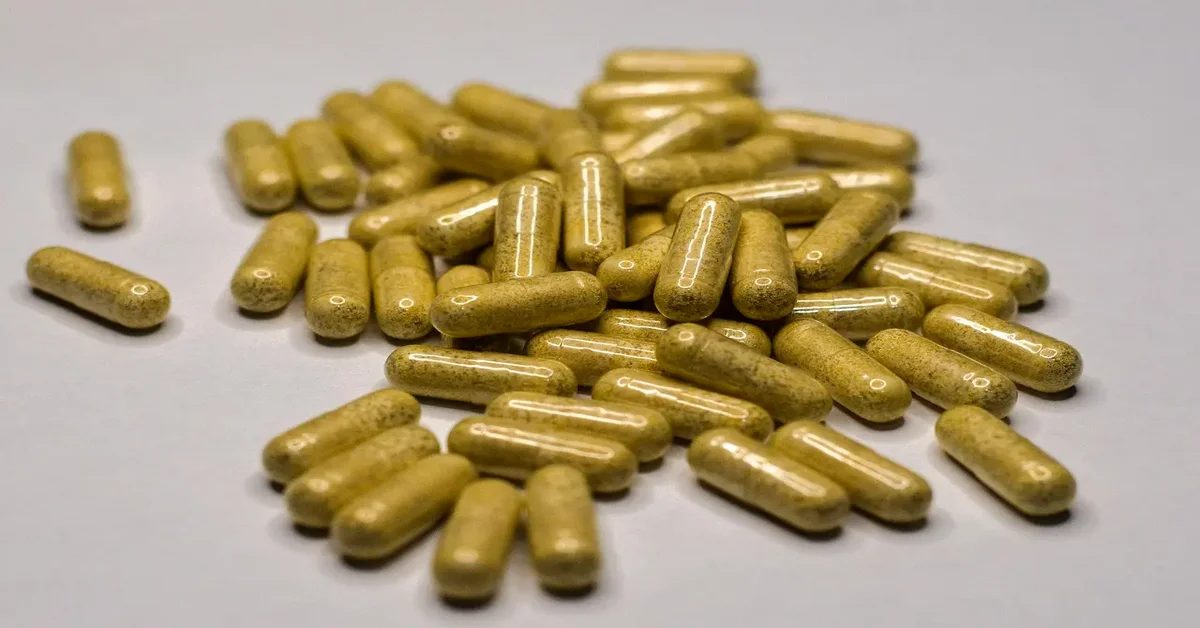
For a reliable and consistent dose, our DIM 150 supplement offers 150 mg of pure diindolylmethane per capsule, giving you an easy way to support hormone balance without relying solely on food sources.
FAQs about DIM and Indole-3-Carbinol
What exactly makes DIM different from Indole-3-Carbinol?
I3C converts quickly into DIM, and DIM is more stable, making it easier to dose and predict effects.
Are there safety concerns about long-term use?
DIM appears safe at typical dosages in long-term animal studies. I3C may be more active and harder to predict.
Why add low-sugar veggies and healthy proteins for candida concerns?
They’re nutrient-rich, less likely to feed yeast, and support your gut and immune system, though research on candida is limited. If candida overgrowth is a concern, consider Candida Complex.
Find Simple Ways to Support Balance Every Day
Making sense of DIM and Indole-3-Carbinol doesn’t have to feel overwhelming. Both play a role in how the body handles estrogen, and both can be worked into your daily life, through a plate full of cruciferous veggies or, if you need something more steady, with a supplement.
Candida and hormone balance are complex topics which often go hand and hand, and no single food or supplement is the answer on its own.
What you can do is make thoughtful choices, build variety into your meals, and use natural support wisely.
If you’re considering adding a DIM supplement, it helps to look for high-quality, reliable options. Whole Family Products focuses on natural health and can be a helpful resource when you want something safe and trustworthy.
If you take other medications, always check with your holistic provider before adding anything new.