Table of Contents
- 1 Nattokinase’s Role in Reducing Cancer Risk Factors
- 2 What Exactly Is Nattokinase?
- 3 How Nattokinase May Influence Cancer Risk
- 4 Should You Take Nattokinase During Cancer Treatment?
- 5 Other Health Benefits Linked to Nattokinase
- 6 Practical Tips to Consider When Choosing Nattokinase
- 7 FAQs About Nattokinase
- 8 Adding Nattokinase to Your Routine
Nattokinase’s Role in Reducing Cancer Risk Factors
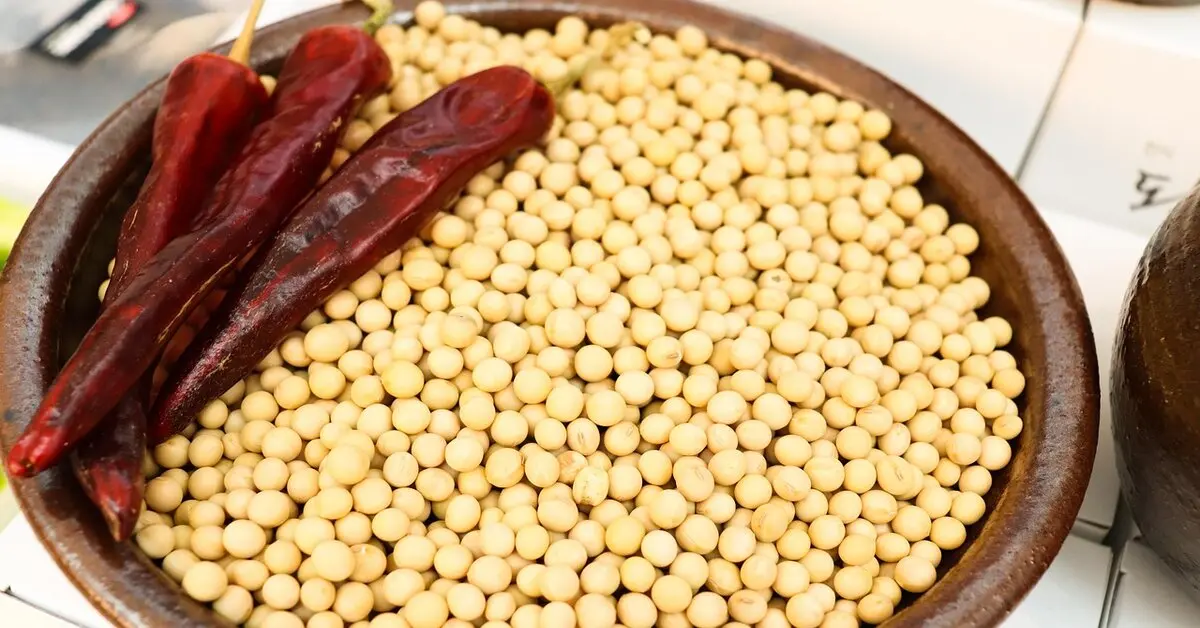
If you’ve heard about Nattokinase, you probably know it’s an enzyme extracted from natto, a traditional Japanese fermented soybean dish.
While nattokinase is most famous for supporting heart and circulation health, some research suggests it may also play a role in cancer risk reduction.
The science around nattokinase shows promising possibilities, but there are still unanswered questions, especially when it comes to its role during cancer treatment.
What Exactly Is Nattokinase?
Nattokinase is a natural enzyme that comes from natto, a traditional Japanese food made by fermenting soybeans with a specific type of bacteria (Bacillus subtilis).
While natto itself has been eaten in Japan for centuries, the enzyme nattokinase has caught attention worldwide because of its potential health benefits.
Here’s what makes it unique
- Fibrinolytic enzyme: Nattokinase helps break down fibrin, a protein involved in blood clot formation.
- Circulation support: By reducing excess fibrin, it may encourage smoother blood flow and healthier circulation.
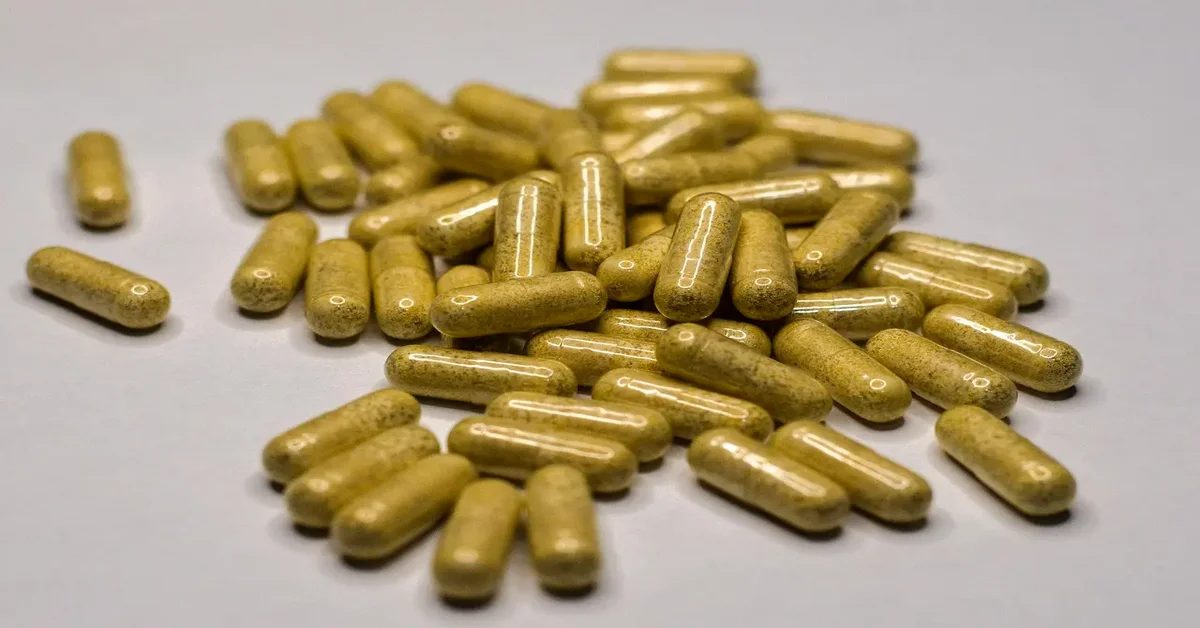
- Supplement form: It’s commonly found in capsules or powders, designed for those who don’t eat natto but want its benefits.
According to the Memorial Sloan Kettering Cancer Center, nattokinase may improve circulation by reducing clot formation and supporting vascular health. This is one reason it’s widely studied in connection to heart health, blood pressure, and beyond.
How Nattokinase May Influence Cancer Risk
The link between nattokinase and cancer is still being studied, but early findings suggest this enzyme may play a supportive role in creating conditions that make it harder for cancer to thrive.
It’s not about curing cancer, but about influencing the environment inside the body in ways that could be less favorable for tumor growth.
Here are some of the ways researchers believe nattokinase might help with cancer risk reduction:
Improved oxygen delivery
Cancer cells often grow better in low-oxygen environments.
Nattokinase helps break down fibrin, which can improve circulation and oxygen flow throughout the body.
Better oxygen delivery may help create a less welcoming environment for cancer cells.
Slowing tumor progression (in animal studies)
According to a study published on PubMed, mice given nattokinase showed slower liver tumor growth, longer survival times, and reduced fluid buildup in the abdomen.
While these results are promising, more human research is needed before concluding.
Reducing tumor stiffness
Tumors often develop dense, fibrous tissue that makes it harder for treatments like chemotherapy or radiation to reach them.
Research in PubMed noted that nattokinase reduced this stiffness, which improved oxygen flow and seemed to make conventional therapies work better.
So far, studies suggest that nattokinase may help support circulation, oxygen balance, and tissue health in ways that could reduce certain cancer risk factors.
While the science is still developing, it offers an interesting perspective on how a simple enzyme from fermented soybeans might influence health.
Should You Take Nattokinase During Cancer Treatment?
This is where things get a little tricky. While the research around nattokinase and cancer is interesting, adding it into an active treatment plan isn’t straightforward.
Cancer therapies like chemotherapy, radiation, or targeted drugs already put a lot of stress on the body, so introducing a supplement that affects clotting and circulation needs careful thought.
Possible Upsides
Some early studies suggest nattokinase might actually make certain treatments more effective:
- Better drug delivery
According to a study published in BMC, nattokinase may help improve blood flow and oxygenation around tumors, which could make chemotherapy drugs reach their target more effectively. - Combination with heparin
Another animal study reported in Biomarker Insights found that when nattokinase was used along with heparin, the treatment worked better and reduced clotting issues. This points to the possibility that nattokinase could support traditional therapies, at least in theory.
Things to Be Careful About
Even with these potential benefits, there are clear risks that shouldn’t be ignored:
- Bleeding risk
Nattokinase has natural blood-thinning effects. For people already on blood thinners or those with low platelet counts (a common side effect of chemotherapy), this could raise the risk of dangerous bleeding. - Lack of human trials
According to the Memorial Sloan Kettering Cancer Center (MSKCC), no human trials have yet confirmed the safety or effectiveness of nattokinase for people with cancer. Most of what we know comes from lab or animal studies. - Interactions with cancer medications
Because nattokinase influences clotting and circulation, it could interact with chemotherapy drugs or other supportive treatments in ways that aren’t fully understood yet.
If you’re in active treatment, it’s important to be cautious. While the research around nattokinase is promising, it’s still too early to say it’s safe to use during cancer therapy.
Other Health Benefits Linked to Nattokinase
While the interest in nattokinase and cancer is growing, this enzyme has also been studied for broader wellness benefits.
Many people first look into it for circulation and heart health, and research backs up some of those uses.
Supporting Healthy Blood Pressure
One of the best-documented benefits is its effect on blood pressure.
In a North American clinical trial, participants who took nattokinase saw reductions in both systolic and diastolic blood pressure.
For anyone concerned about cardiovascular health, that’s a meaningful finding.
Promoting Circulation and Clotting Balance
Because nattokinase breaks down fibrin, it supports smoother blood flow. Studies also show it may help lower levels of von Willebrand factor, a protein involved in clot formation.
By keeping clotting activity in balance, nattokinase could be useful for people worried about sluggish circulation or clot-related risks.
Enhancing Sensitivity to Treatments
Lab research has explored how nattokinase might work alongside cancer drugs. For example, a study in the Arabian Journal of Chemistry reported that nattokinase made certain cancer cells more responsive to oxaliplatin, a commonly used chemotherapy drug.
While this is still in the lab stage and not yet proven in people, it hints at how nattokinase could one day play a supportive role.
Practical Tips to Consider When Choosing Nattokinase
If you’re thinking about adding nattokinase to your routine, it helps to keep a few simple guidelines in mind.
Choose quality products
Not all supplements are created equal.
Whole Family Products offers NattokiZymes, a carefully formulated nattokinase supplement designed for those who want a clean, reliable source.
Quality matters because purity and potency can affect how well a supplement works.
Be mindful of clotting risks
Since nattokinase has blood-thinning properties, it may not be a good fit if you’re taking prescription blood thinners, getting ready for surgery, or prone to easy bruising.
These are situations where nattokinase could increase the risk of bleeding.
Start gradually
If your holistic provider gives the go-ahead, begin with a lower dose and notice how your body responds.
Everyone is different, and easing in gives you a better chance to monitor any changes in energy, mood, or circulation.
Think holistic
Nattokinase isn’t meant to work in isolation. You’ll get the most from it when it’s part of a bigger wellness routine that includes:
- Balanced meals with whole foods
- Regular physical activity (like walking or yoga)
- Consistent, restful sleep
- Stress-management habits, such as meditation or deep breathing
Rhese steps help create a stronger foundation for overall health, with nattokinase serving as one more supportive piece of the puzzle.
FAQs About Nattokinase
Is natto the same as nattokinase?
Not exactly. Natto is a whole fermented food; nattokinase is the extracted enzyme.
Is there strong evidence in humans?
Not yet. Most studies are in animals or labs. Human trials are limited.
Can it replace cancer treatment?
No. It may support overall wellness, but it’s not a substitute for medical care.
Adding Nattokinase to Your Routine
Nattokinase is showing exciting potential for circulation and heart health and for making the body less “welcoming” to cancer.
If you’re interested, the safest path is to talk to your holistic provider before trying it.
Whole Family Products offers NattokiZymes, a quality nattokinase supplement you can consider as part of your wellness journey.
At the end of the day, nattokinase isn’t a cure-all, but it could be a meaningful piece of your bigger health picture.