What Is DHEA?
DHEA (dehydroepiandrosterone) is a hormone produced by the adrenals that the body utilizes as the starting material of sex hormones such as estrogen. Production of DHEA peaks during childhood but naturally declines with age. Research shows that lower DHEA levels are linked to hormonal changes associated with aging in both men and women.
Benefits of DHEA Creme
Low DHEA levels in older women have been linked to sexual function concerns like decreased libido, imbalanced hormones, and menopause symptoms. DHEA Creme is an effective aid in soothing discomforts associated with menopause. It may also support vaginal health and help maintain energy levels. It also assists in regulating the menstrual cycle to support hormonal balance and improve fertility.
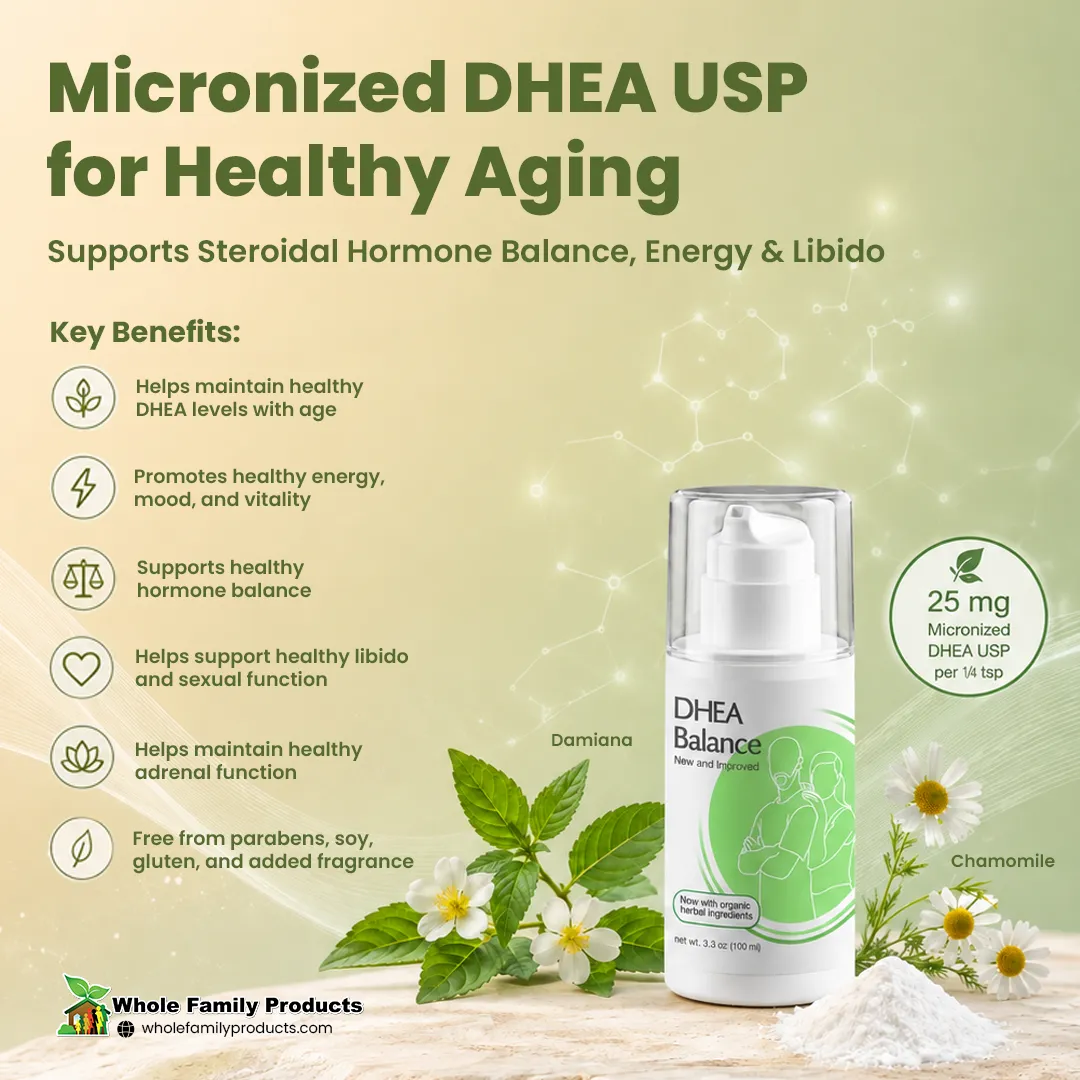
DHEA Hormone Cream – Natural Libido Booster for Men and Women
There also have been indications that hormone balance products like DHEA Creme may enhance bone health in postmenopausal women, particularly those over the age of 70 years, according to studies showing improvements in bone mineral density with DHEA supplementation. Topical DHEA allows the hormone to be absorbed through the skin, which can improve bioavailability compared to oral supplements.
Additionally, some preliminary scientific evidence suggests that DHEA is useful in managing chronic fatigue syndrome, moderating the aging process, and stimulating the immune system. Therefore, DHEA Creme may provide beneficial effects in these areas as well.
Common Questions About DHEA
1. What does DHEA do in the body?
DHEA is a hormone produced by the adrenal glands and serves as a precursor to important hormones such as estrogen and testosterone. These hormones are involved in metabolism, bone health, mood, skin health, and reproductive function. Because DHEA converts into other hormones, it is often associated with overall hormone balance in both men and women.
2. At what age do DHEA levels decline?
DHEA levels typically peak in early adulthood and gradually decline with age. By the time a person reaches their 70s or 80s, DHEA levels may be significantly lower compared to younger years. This natural decline is sometimes associated with changes in energy levels, skin appearance, bone density, and hormone production.
3. Is topical DHEA better than oral supplements?
Topical DHEA creams are designed to be absorbed through the skin, which may allow the hormone to enter the bloodstream without first passing through the digestive system. Some people prefer topical applications because they may provide more consistent absorption compared to oral supplements, although individual results may vary.
4. Can DHEA help with menopause symptoms?
Some research suggests that DHEA may help support hormone balance during menopause by contributing to estrogen and androgen production. This may help support mood, energy levels, and overall well-being during hormonal changes. However, individual responses can vary, and hormone levels should always be monitored when using hormone products.
5. Is DHEA important for bone health?
DHEA plays a role in hormone production, and hormones such as estrogen and testosterone are important for maintaining bone density. Some studies suggest that maintaining healthy hormone levels may help support bone health as people age.
6. How long does it take for DHEA to work?
The effects of DHEA can vary depending on the individual, dosage, and method of use. Some people may begin to notice changes in energy levels, mood, or overall well-being within a few weeks, while for others it may take longer. Research suggests that hormonal changes from supplementation may take several weeks to become noticeable, and consistent use is typically required.
Hopefully, this article helped you better understand what DHEA is, how it changes with age, and how DHEA cream may support hormone balance and overall well-being. If you are looking for a quality DHEA cream, you can learn more about our DHEA Creme at Whole Family Products and see if it is right for your needs.